TL;DR: A standard homeowners policy often restricts or voids coverage when a home sits vacant for 30 to 60 days. Florida second homes also face hurricane, flood, and liability exposures your primary-home policy does not extend to. Work through the steps below to identify what you need and avoid the most common gaps.
What You Need Before You Start
- The property address and year built
- Your estimated annual occupancy (days per year you are on-site)
- Knowledge of whether the home is in a FEMA flood zone (check the FEMA Flood Map Service Center)
- A list of any watercraft, golf carts, or recreational equipment kept at the property
- Whether you plan to rent it out, even occasionally
Step 1: Confirm Whether a Standard Homeowners Policy Will Apply
Most personal homeowners policies contain a vacancy clause. If the home is unoccupied beyond a set threshold, typically 30 to 60 consecutive days, certain perils like vandalism, burst pipes, or water damage from appliance leaks may no longer be covered. Carriers vary, so read the definitions carefully.
For a home you visit a few weeks per year, a standard policy may technically apply, but your carrier needs to know the property is a secondary, seasonally occupied residence. Misrepresenting occupancy is a common reason claims get denied.
If your primary home is insured elsewhere, a second-home or seasonal-home policy written specifically for limited-occupancy properties is often a cleaner fit. An independent agency like B & B Insurance Agency can compare carriers who specialize in this category.
Step 2: Assess the Windstorm and Hurricane Exposure
Florida law allows insurers to apply a separate hurricane deductible, usually 2 to 5 percent of the dwelling's insured value, rather than a flat dollar amount. On a home insured for $400,000, a 2 percent hurricane deductible means the first $8,000 of a hurricane loss comes out of your pocket.
Second homes sometimes carry lower dwelling limits because owners underestimate replacement cost. Construction costs in South Florida have risen significantly in recent years. Make sure the Coverage A limit reflects what it would actually cost to rebuild, not the market value or the purchase price.
The Florida Office of Insurance Regulation publishes guidance on how hurricane deductibles work: myfloridacfo.com/division/consumers.
Step 3: Add a Separate Flood Policy
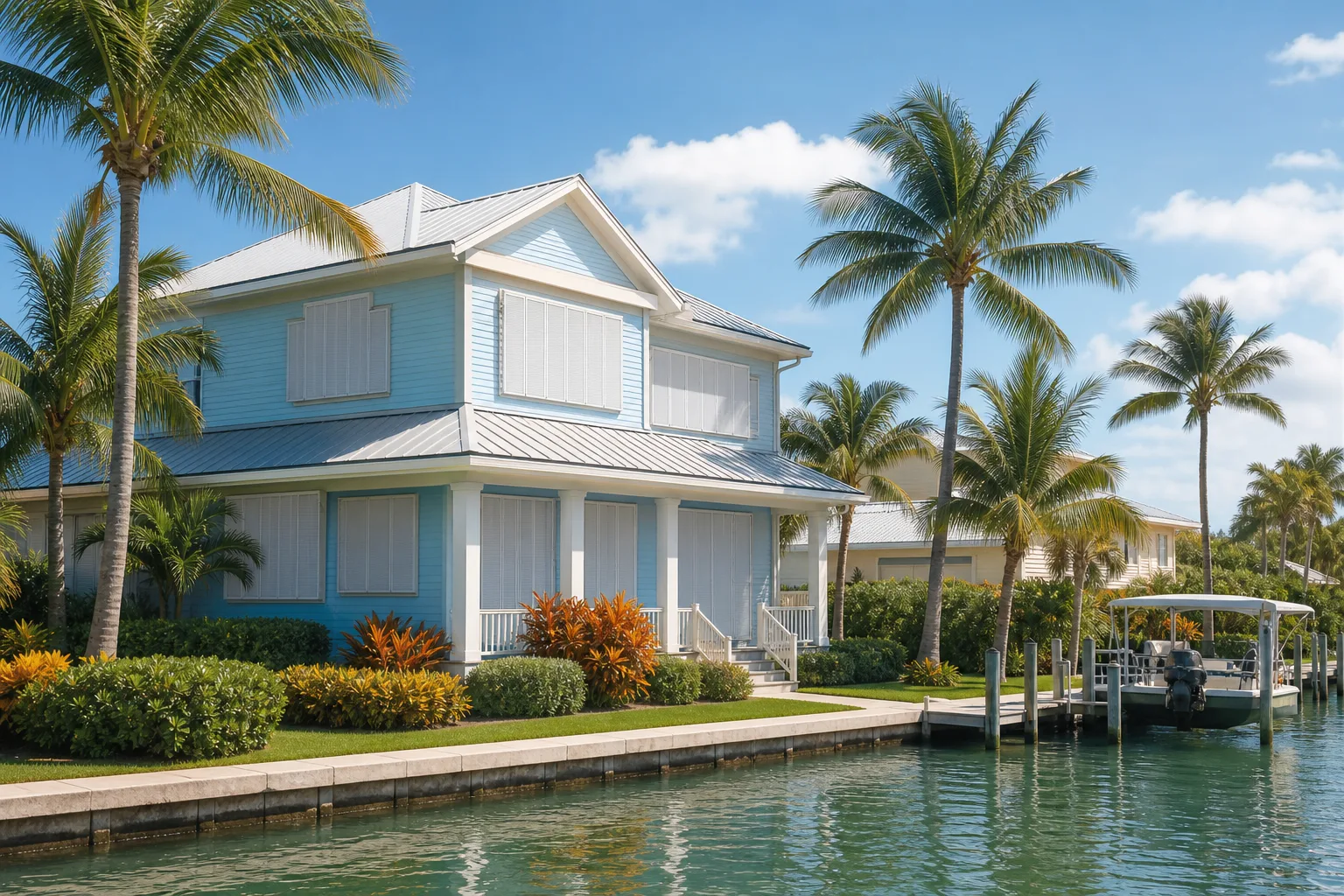
Homeowners insurance does not cover flooding, period. This applies to your primary home and it applies to your second home. If your Palm Beach County seasonal property sits anywhere near a canal, the Intracoastal, or a low-lying neighborhood, flooding is a real exposure.
Flood insurance is available through the National Flood Insurance Program (NFIP) or through private flood carriers. Private flood policies have grown in Florida and often offer higher limits and shorter waiting periods than NFIP policies, which carry a standard 30-day waiting period for most purchases.
Visit B & B Insurance Agency's flood insurance page to explore both options.
Paying too much for Florida homeowners insurance? Get a free home quote
Step 4: Handle the Liability Gap
If someone is injured at your seasonal property, your primary-home liability coverage generally does not extend there. The liability section of a second-home policy covers you for incidents that occur at that location.
Consider how the property is used:
- Guests and family visiting. Standard personal liability on the second-home policy usually covers this.
- Short-term rentals, even one weekend on Airbnb. This can trigger a business-activity exclusion and void your liability coverage. You may need a landlord or vacation rental endorsement.
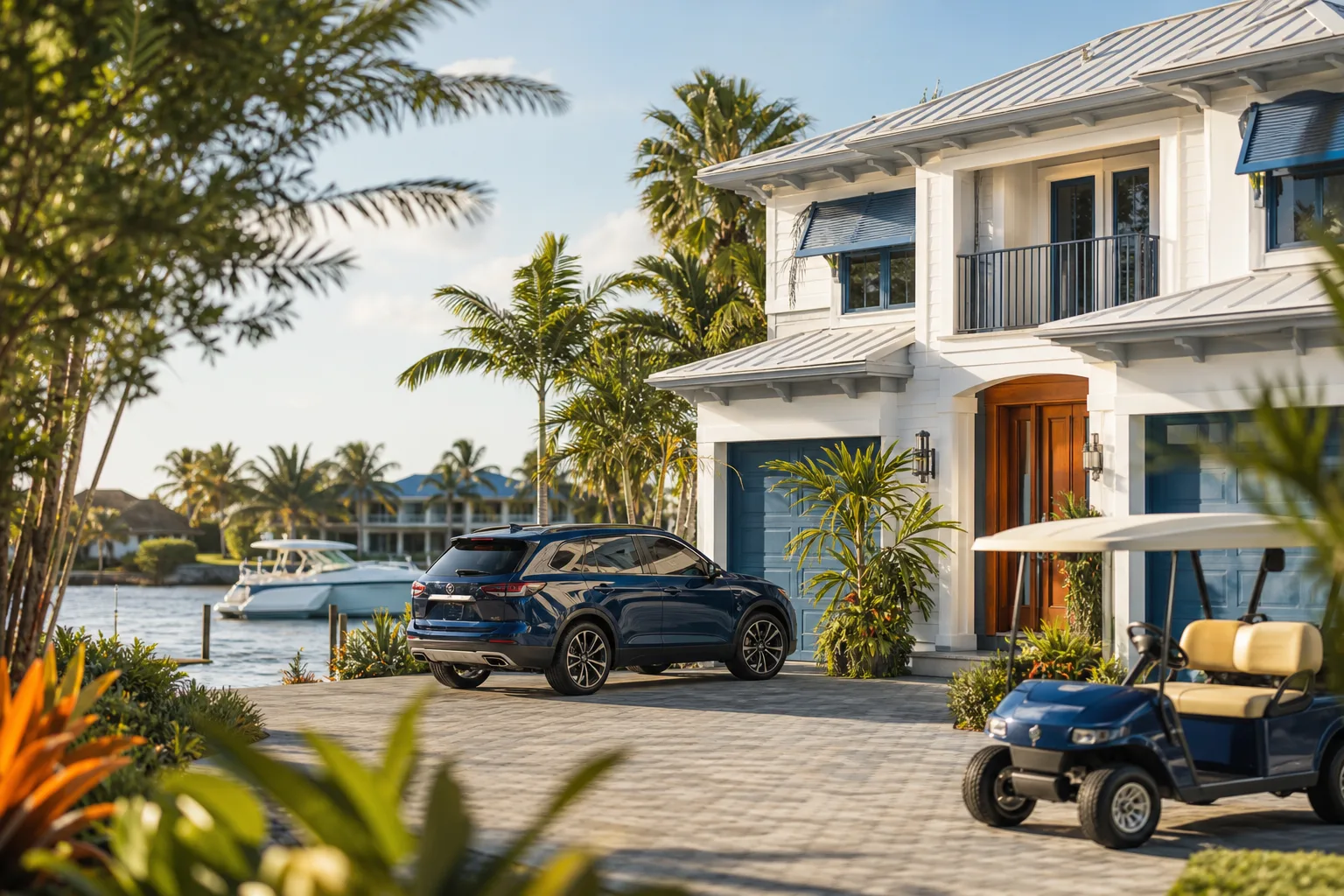
- Recreational equipment on-site. A boat kept at the dock, a golf cart in the garage, or a personal watercraft on a lift all carry their own liability exposure. Personal umbrella and homeowners liability typically exclude watercraft above a certain horsepower. Separate boat insurance or golf cart insurance is worth a conversation.
Step 5: Decide on Additional Coverages Worth Reviewing
Use this decision table to check whether each coverage applies to your situation:
| Coverage | When It Matters | Action |
|---|---|---|
| Scheduled personal property | Jewelry, art, collectibles kept at the home | Add a rider or floater |
| Loss of use / additional living expense | Fire or storm makes the home uninhabitable | Confirm limit is sufficient |
| Service line coverage | Older homes; utility line repairs are expensive | Endorsement often inexpensive |
| Equipment breakdown | HVAC, pool equipment sitting idle for months | Ask carrier if available |
| Umbrella liability | Any property with a pool or waterfront | Standalone umbrella policy |
Common Mistakes
Assuming your primary-home policy covers the second property. It does not. Liability, dwelling, and contents are tied to a specific insured location.
Skipping flood insurance because the home is not in a high-risk zone. The NFIP reports that roughly 25 percent of flood claims come from moderate- to low-risk areas.
Setting the dwelling limit to the tax-assessed value. Assessed value and rebuild cost are different numbers, sometimes dramatically so in coastal Florida.
Not telling your carrier about short-term rentals. Even occasional rental activity can shift the property into a different risk category and void coverage if undisclosed.
Letting coverage lapse between visits. Gaps create windows where a theft, vandalism, or weather event goes uninsured. Keep the policy active year-round.
Bottom Line
Insuring a seasonal second home in Florida means stacking several separate pieces correctly: a homeowners or seasonal-property policy with the right occupancy language, a standalone flood policy, and separate liability or watercraft coverage for anything recreational on-site. Getting the dwelling limit right and disclosing how you actually use the property are the two steps that protect your claim the most.
If you want someone to shop multiple carriers and check the gaps for your specific property, B & B Insurance Agency has been helping South Florida homeowners do exactly that since 1998. Independent agents compare options across many carriers rather than selling one company's product.
Paying too much for Florida homeowners insurance?
B & B Insurance shops multiple carriers to find you the right coverage at the right price — and we know Florida wind and flood rules cold.
Frequently asked questions
Can I use my primary-home liability umbrella policy to cover incidents at my Florida second home?
It depends on the umbrella policy. Many personal umbrella policies do extend liability coverage to secondary residences, but they require an underlying homeowners policy on that property first. Confirm with your carrier that the second-home address is listed or scheduled on both policies.
What happens if my Florida seasonal home sits vacant during hurricane season?
Vacancy clauses in most standard homeowners policies restrict certain coverages after 30 to 60 consecutive days of unoccupancy. Some carriers offer vacancy permits or seasonal-home endorsements that maintain coverage during off-season periods. Ask your agent to review the specific language before hurricane season begins.
Does a second-home policy cover my personal belongings left there year-round?
Most second-home and seasonal-home policies include contents coverage, but the sub-limits for valuables like jewelry, electronics, or art are often lower than on a primary-home policy. If you keep high-value items at the property, a scheduled personal property endorsement provides better protection.
Is there a waiting period before flood insurance on a second home takes effect?
NFIP flood policies carry a standard 30-day waiting period from the date of purchase before coverage begins, with limited exceptions. Private flood insurance policies sometimes offer shorter or no waiting periods, which is one reason they have become more popular in Florida.
This article is general information, not legal or financial advice. Coverage depends on the terms, conditions, and exclusions of your specific policy, so talk with a licensed insurance agent about your situation.
Have a question about this topic?
Our experienced agents are happy to help — no pressure, just straight answers.