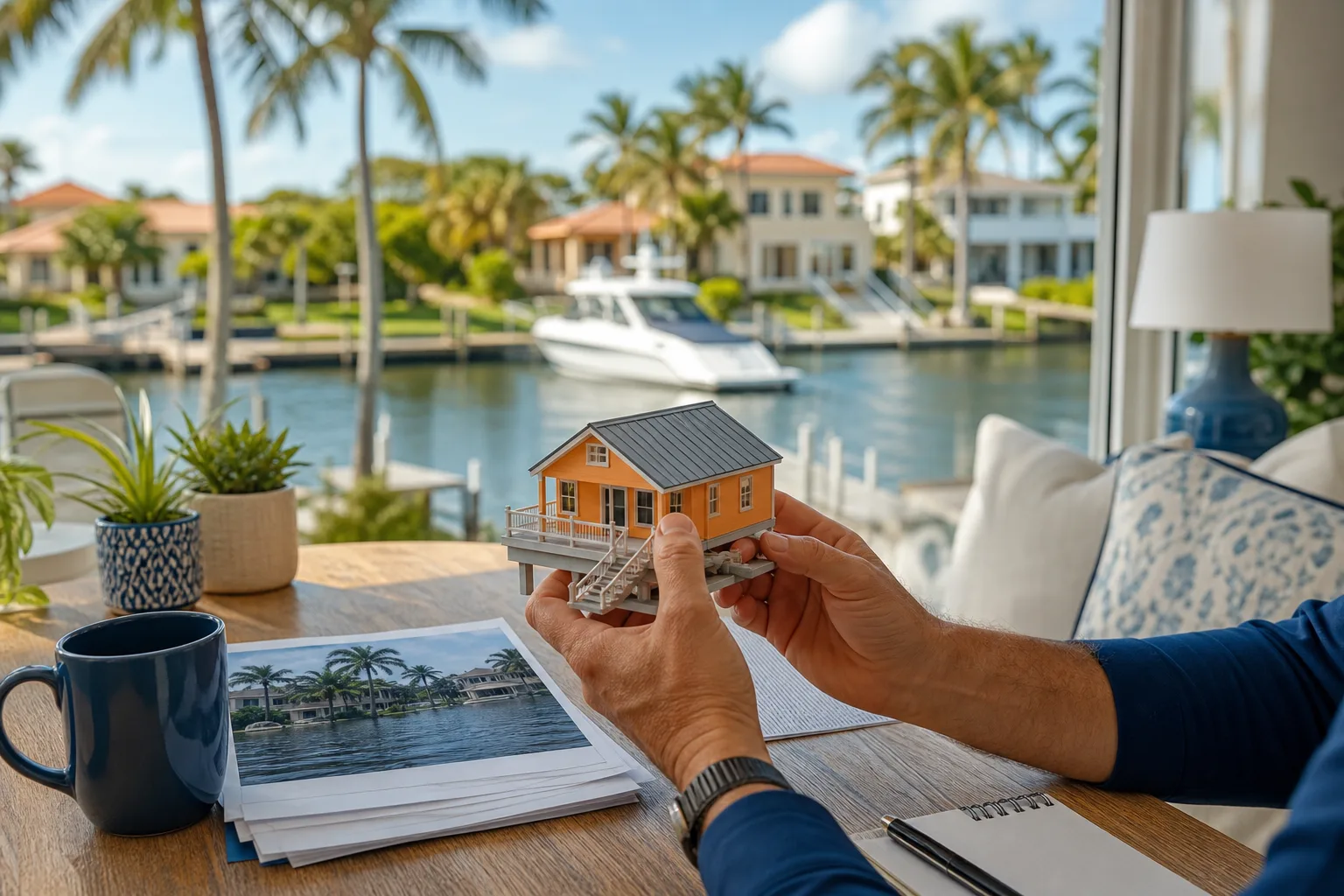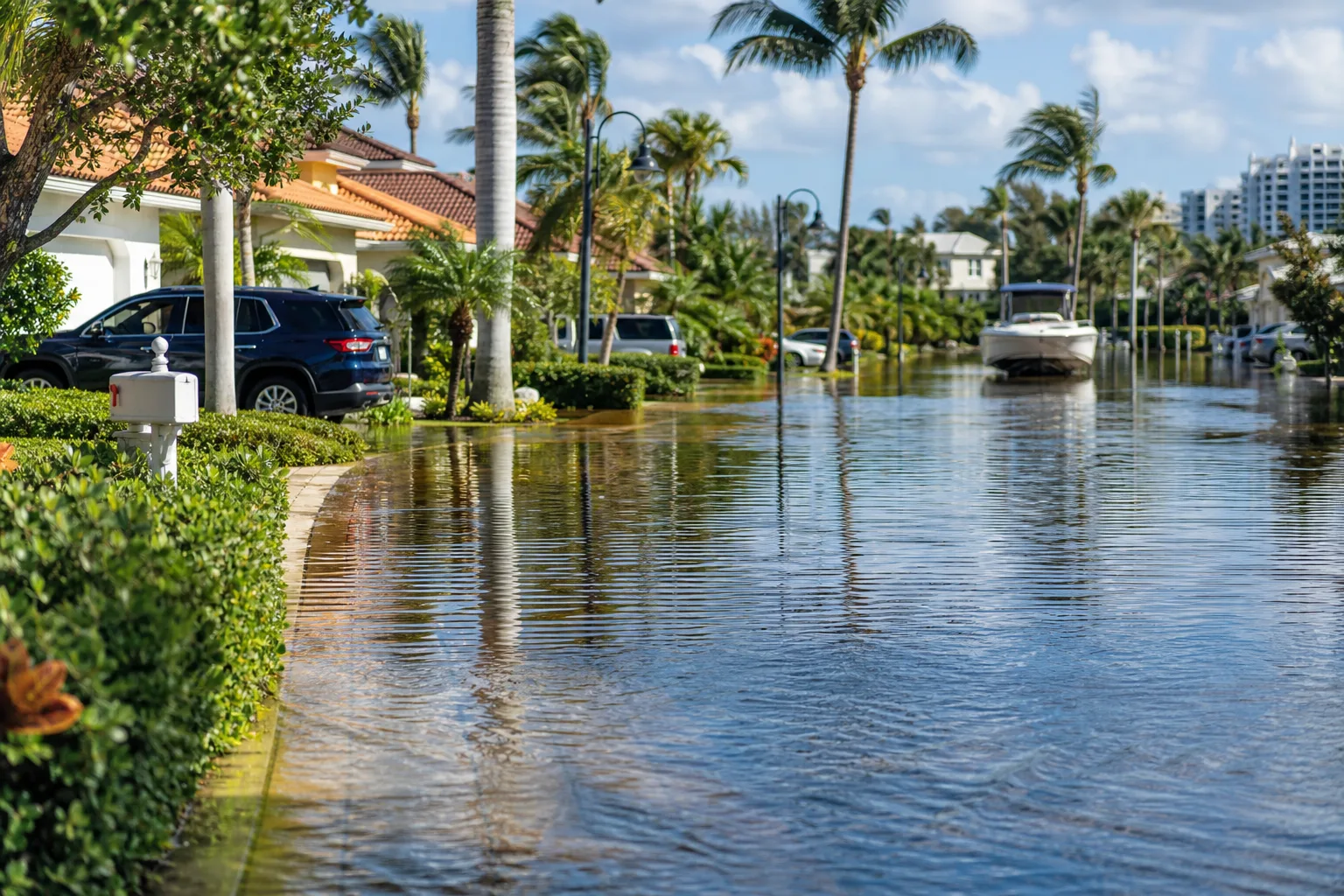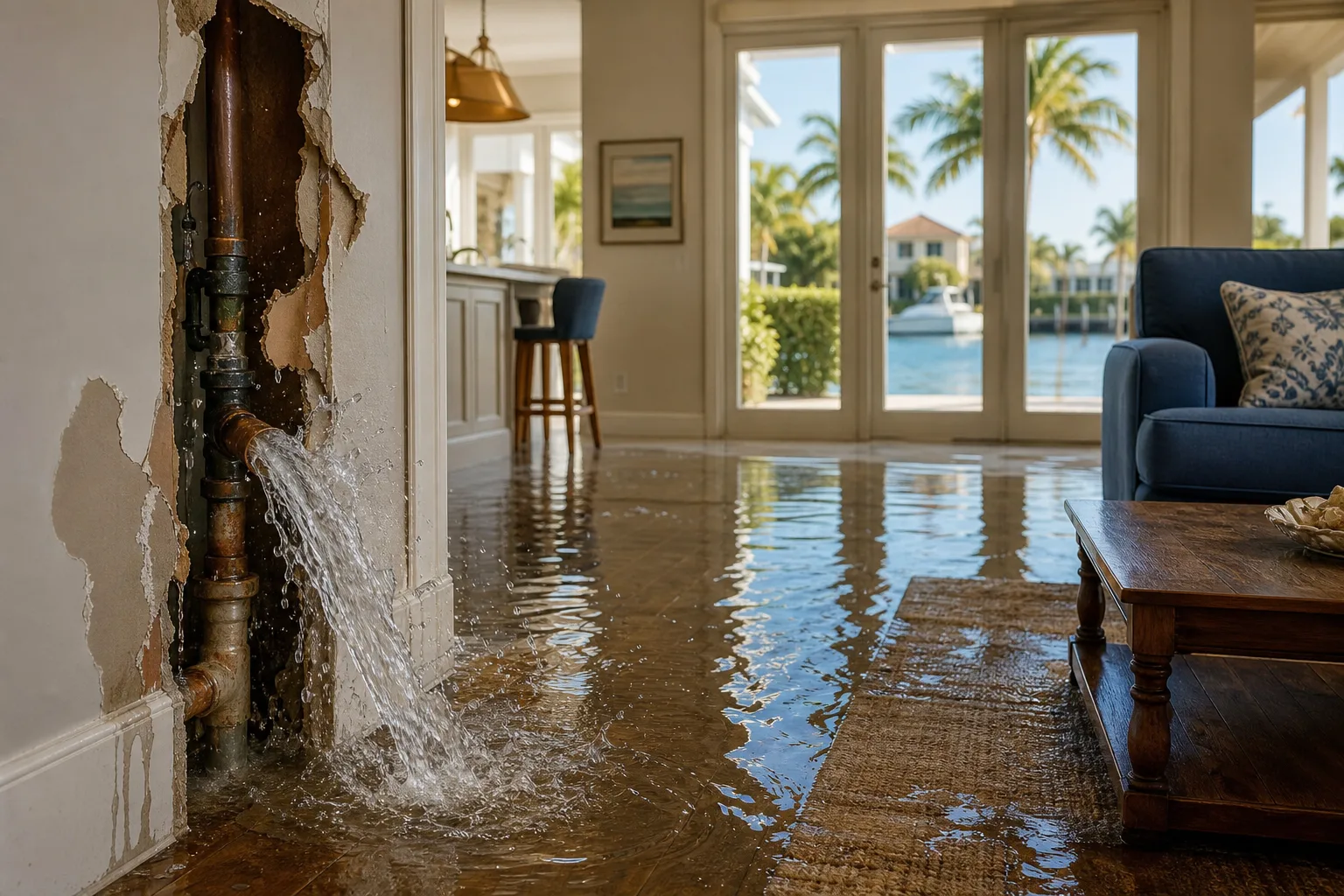
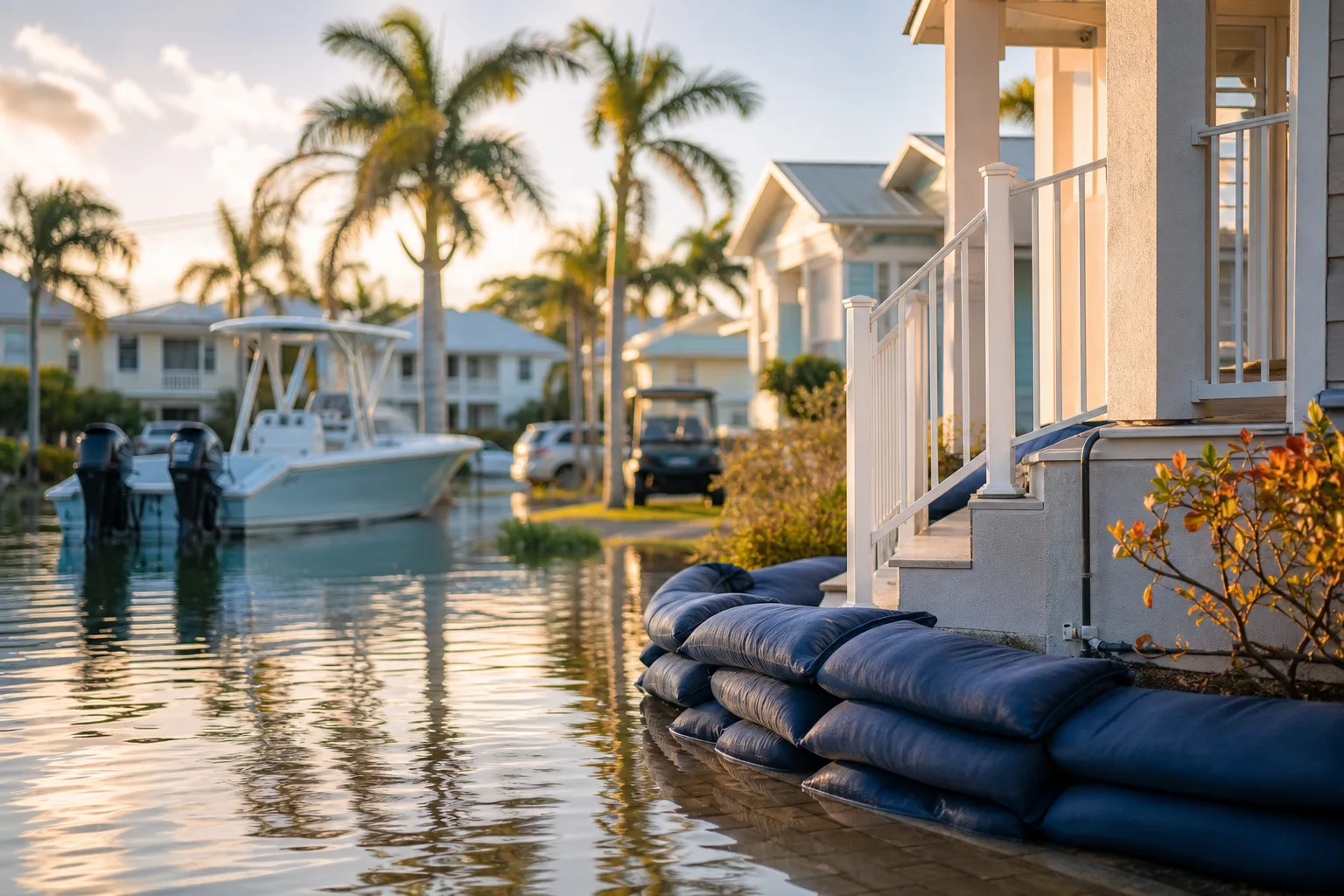
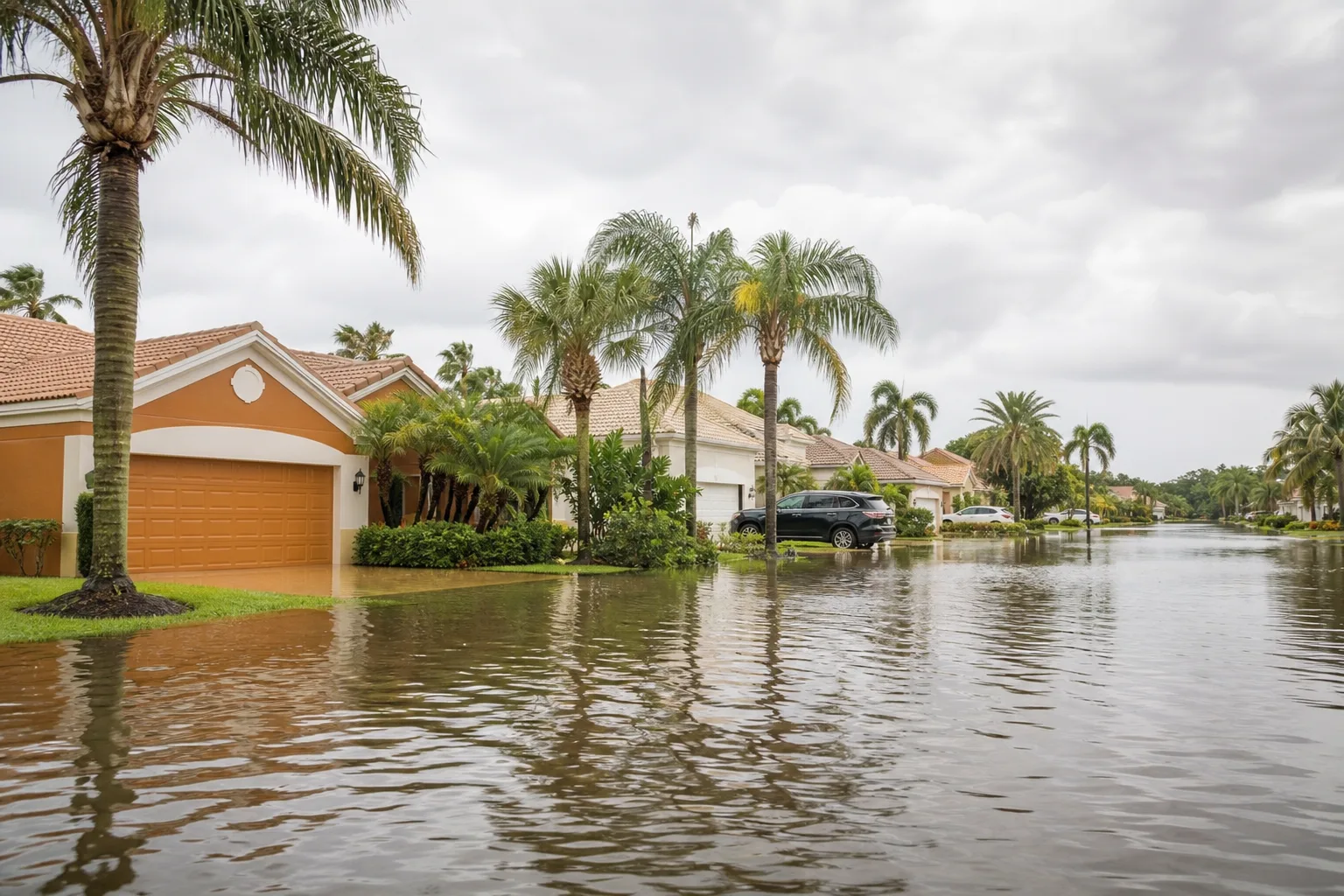
TL;DR: Most flood insurance policies in Florida, including NFIP and many private flood options, need about 30 days to take effect after purchase. There is no special "named storm" clause that shortens or lengthens this window, but there are real exceptions tied to new mortgages, map changes, and renewals. If you're waiting to buy flood coverage until a system forms in the Atlantic, you're already too late for that storm.\n\n## What Happened\n\nEvery hurricane season, we get the same call around late May or early June: "I want to add flood insurance before the storm gets here." Unfortunately, that's not how flood insurance timing works in Florida.\n\nThe National Flood Insurance Program (NFIP) has required a standard waiting period since Congress tightened the rules in 2012 to stop people from buying coverage only when a storm was already bearing down on the coast. Under current NFIP rules, a new flood policy generally does not take effect until 30 days after the premium is paid (FEMA, National Flood Insurance Program). Most private flood carriers that write in Florida follow a similar structure, though the exact number of days and the exceptions can vary by insurer.\n\nThere is a common misconception that this is called a "named storm waiting period," as if the clock only applies once a system gets a name from the National Hurricane Center. That's not accurate. The waiting period applies to all new flood policies, storm or no storm. It's simply a standard 30-day (or similar) window built into the policy from day one, not a rule that switches on when a storm forms.\n\n## Why It Matters\n\nThis timing detail has real consequences for anyone in Lantana, West Palm Beach, or elsewhere in Palm Beach County who is shopping for flood insurance reactively instead of proactively.\n\nHere's the scenario we see most: a tropical wave gets flagged by the National Hurricane Center, it's five to seven days out, and suddenly everyone remembers they don't have flood coverage. By the time most storms are close enough to prompt that phone call, there isn't enough runway left before landfall to clear a 30-day waiting period. The policy might get written, but it won't be active in time to help with that specific event.nnThis matters even more in South Florida because flooding here isn't limited to direct hurricane hits. Tropical storms, slow-moving rain events, and even non-tropical heavy rain can overwhelm drainage in low-lying neighborhoods. A standard homeowners insurance policy does not cover rising water from outside the home. Flood damage from storm surge, overflowing canals, or saturated ground is excluded from typical HO-3 policies and requires a separate flood policy, whether through the NFIP or a private flood carrier.\n\nIt's worth being precise about what each policy type actually covers, because this is where a lot of claims confusion happens after a storm:\n\n- Homeowners (HO) policy: Covers wind damage, wind-driven rain that enters through a wind-created opening, and most fire and theft losses. Does not cover flood.\n- Windstorm coverage: In Florida this is usually part of the homeowners policy or a separate windstorm policy in certain coastal areas. Covers damage from wind itself, not rising water.\n- Flood policy: Covers damage from rising water, storm surge, and general flooding, whether tied to a storm or not. This is the only policy type that responds to water coming up from outside, as opposed to rain coming in through a broken window or damaged roof.\n\nIf your home takes on water during a storm and you don't have flood coverage in force, that gap can be one of the more expensive lessons a homeowner learns, and it's one that's avoidable with enough lead time.\n\n## What We Don't Know Yet\n\nA few things are worth flagging honestly rather than guessing at:\n\n- Exact waiting periods vary by carrier. The NFIP's 30-day standard is well documented, but private flood insurers, which have become more common in Florida in recent years, may set their own waiting periods. Some may be shorter, some may match the NFIP standard. Always confirm the effective date in writing before assuming coverage has started.\n- Exceptions exist but have specific conditions. The NFIP waives the waiting period in certain situations, such as when flood insurance is required as a condition of a new mortgage loan and purchased at or before closing, or in some cases tied to map revisions that newly place a property in a high-risk flood zone. These exceptions have specific documentation requirements, so don't assume you qualify without checking.\n- Flood zone remapping is ongoing. FEMA periodically updates flood maps for Palm Beach County, and a property's zone designation can change. We don't know exactly when the next remapping affecting your neighborhood will finalize, so it's worth checking your current zone status periodically rather than assuming it's static.\n- Future NFIP program changes. Congress has periodically debated NFIP reforms and reauthorizations. Waiting period rules could theoretically shift with future legislation, though no such change is confirmed at this time.\n\n## What to Do About It\n\nThe good news is that the waiting period is entirely predictable and entirely avoidable as a problem, as long as you plan around the Florida hurricane calendar instead of the news cycle.\n\nBefore June 1 (start of hurricane season):\n- Confirm whether your home is in a mapped flood zone, and don't assume "not in a flood zone" means "can't flood." A large share of NFIP claims come from properties outside high-risk zones.\n- If you don't have flood coverage, buy it now. Getting the policy in force in the spring means you're covered for the entire season, not scrambling in August or September.\n- Review your homeowners policy alongside your flood policy so you understand exactly where wind coverage ends and flood coverage begins. This avoids surprises during a claim.\n\nDuring hurricane season (June 1 through November 30):\n- If you don't already have a flood policy once a system is being tracked, understand that a new purchase likely won't help with that specific storm due to the waiting period. It's still worth binding coverage for the rest of the season and future storms.\n- Keep your policy documents, photos of your home's current condition, and contact information for your agent somewhere accessible, not just in a filing cabinet that could be affected by the same flooding you're insuring against.\n- If you're closing on a home purchase during storm season, ask your lender and agent about the mortgage-related exception to the waiting period well before closing so there's no gap in coverage.\n\nAnytime, but especially at renewal:\n- Reconfirm your flood zone designation, since map changes can shift requirements and pricing.\n- Ask whether a private flood option might offer different coverage limits or pricing compared to the NFIP for your specific property. Availability varies, so this is worth a real comparison rather than an assumption.\n- If you're a renter, remember that a landlord's flood policy typically covers the building structure, not your belongings. Renters insurance covers contents from certain perils, but flood damage to personal property usually requires its own flood policy or endorsement, so ask specifically about that gap.\n\nThe simplest rule of thumb: treat flood insurance like a policy you buy in calm weather, not stormy weather. If you're in Lantana, West Palm Beach, or anywhere else in Palm Beach County and you're not sure whether your current coverage would respond to a flood versus wind event, it's worth a straightforward conversation before the next system even shows up on a forecast map. Contact us and we'll walk through your flood zone, your current policy, and your options across multiple carriers so you're not guessing when it matters most.
Your homeowners policy doesn't cover flood. Let's fix that.
From NFIP to private flood, B & B Insurance finds the right flood protection for your Palm Beach County home.
Frequently asked questions
Is there really a special waiting period just for named storms?
No. The common 30-day waiting period applies to all new NFIP flood policies regardless of whether a storm is forming, not just named storms. The phrase "named storm waiting period" is a common misnomer for the standard NFIP policy effective date rule.
How long is the flood insurance waiting period in Florida?
For NFIP policies, it's generally 30 days from the date the premium is paid. Private flood insurers may use a different waiting period, so it's important to confirm the specific terms with your carrier before assuming coverage is active.
Are there ways to skip the waiting period?
Yes, in limited situations. The NFIP waives the waiting period when flood insurance is required for a new mortgage loan and purchased at or before closing, and in certain cases involving flood map revisions. Documentation requirements apply, so confirm eligibility with your agent.
Does my homeowners policy cover flood damage during a hurricane?
Typically no. Standard homeowners policies cover wind and wind-driven rain that enters through a wind-created opening, but they exclude rising water, storm surge, and general flooding. A separate flood policy is needed for that coverage.
What happens if I try to buy flood insurance right before a storm hits?
The policy will likely still be issued, but because of the standard waiting period it usually won't be in force in time to cover that specific storm. It will, however, be active for future events once the waiting period passes.
Do renters need separate flood coverage?
A landlord's flood policy generally covers the building structure, not a tenant's belongings. Renters who want protection for personal property against flood damage typically need a separate flood policy or endorsement in addition to standard renters insurance.
Have a question about this topic?
Our experienced agents are happy to help — no pressure, just straight answers.