
TL;DR: A standard landlord dwelling policy covers the structure and basic liability, but it typically excludes flood, lost rental income beyond a short window, tenant lawsuits over habitability, and more. Florida's climate and landlord-tenant law create specific gaps that separate add-ons can close. Review these five before your next renewal.
Renting out property in Palm Beach County can be a solid income stream, but the coverage that works for your own home does not automatically protect a rental. A landlord policy (often called a DP-3 or dwelling fire policy) is the starting point, not the finish line. Here are five coverages worth adding, framed by the specific risk each one prevents.
1. Flood Insurance
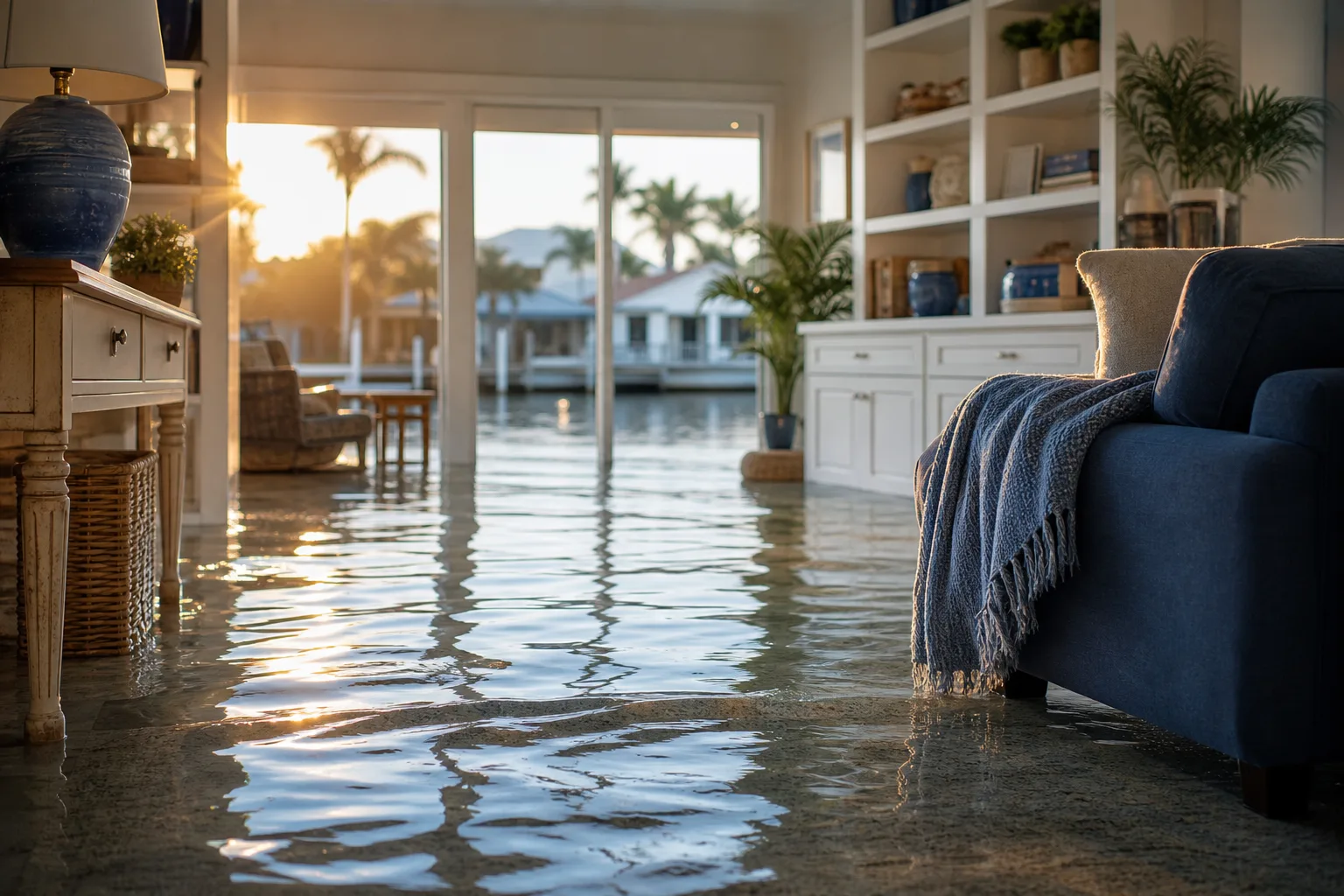
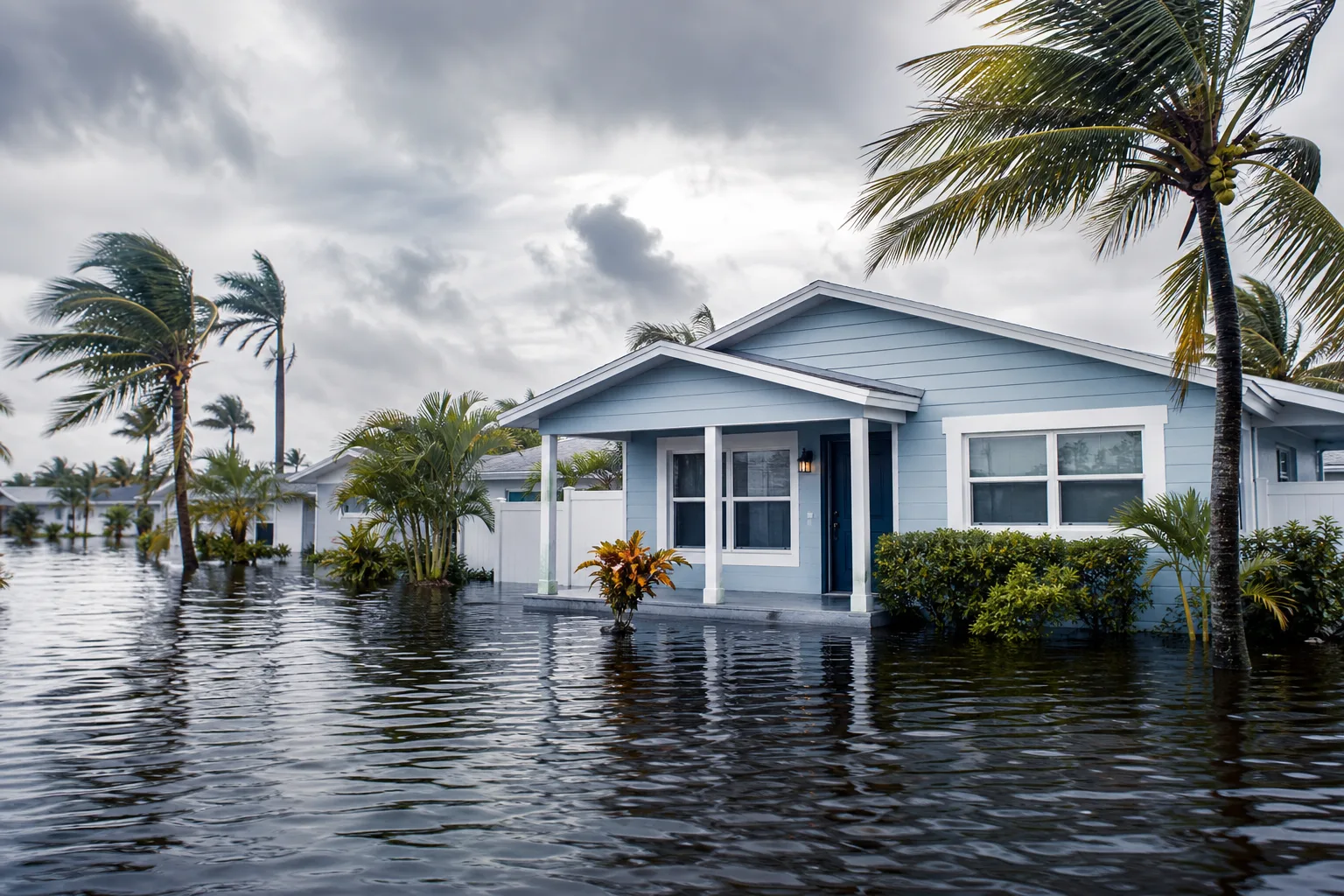
Risk it prevents: A tropical storm or heavy rainfall event floods the first floor of your rental. Your landlord policy pays nothing because standard dwelling policies exclude flood by definition, regardless of cause.
Florida has more flood insurance policies in force than any other state, according to FEMA's National Flood Insurance Program data. Even properties outside high-risk zones flood. The NFIP reports that roughly 25% of flood claims come from moderate-to-low risk areas.
For a rental property, flood damage means both structural repair costs AND a vacant unit generating no rent. A separate flood policy covers the building itself. If your lender requires it, confirm the coverage limit reflects today's rebuild costs, not a minimum required by the loan.
Learn more about how B & B Insurance Agency shops flood options: Flood insurance.
2. Loss of Rents (Fair Rental Value) Coverage, Extended
Risk it prevents: A covered fire makes your unit uninhabitable for four months. Your base policy may include a limited window of lost rent coverage, often 12 months or less, though this varies by carrier and policy form, and a lengthy repair in today's labor market can stretch past that window.
Most landlord policies include some loss-of-rents coverage, but the time limit and the dollar cap matter. In South Florida, hurricane-related repairs can face contractor backlogs that push timelines well beyond a standard policy's window. When reviewing your policy:
- Check the monthly rent figure the policy uses. It should match current market rent, not what a tenant paid three years ago.
- Confirm the coverage period. Some policies cap at 12 months; others offer 24.
- Ask whether the trigger is only direct physical loss or whether it includes civil authority orders (for example, a municipality restricting access after a storm).
3. Premises Liability with a Higher Limit, or Umbrella Coverage
Risk it prevents: A tenant's guest slips on a broken step, sustains a serious injury, and sues you personally. A $100,000 liability limit is exhausted before medical costs and legal fees are settled.
Landlord liability exposure differs from homeowner liability because you have a legal duty to maintain the property for others who pay to occupy it. Florida landlord-tenant law (Florida Statutes, Chapter 83) requires landlords to maintain premises in a habitable condition. A failure tied to deferred maintenance strengthens a plaintiff's case.
Options to increase protection:
- Raise the liability limit on the dwelling policy itself.
- Add a personal umbrella policy that sits above both your landlord policy and any other personal policies. Umbrella coverage is often the most cost-efficient way to significantly increase your total liability protection beyond the base policy limit.
If you hold multiple rentals, talk to an independent agent who can compare umbrella options across carriers. Contact B & B Insurance Agency for a free quote.
Paying too much for Florida homeowners insurance? Get a free home quote
4. Vandalism and Malicious Mischief Coverage (With Vacancy Clause Awareness)
Risk it prevents: A tenant moves out, the property sits vacant for 45 days between leases, and someone breaks in and causes intentional damage. Your policy's vacancy clause may void the claim.
Many landlord policies exclude or severely limit vandalism coverage if the property has been vacant for 30 to 60 consecutive days. Between tenants, during renovations, or while you wait for probate on an inherited property, that exclusion becomes a real exposure.
What to check:
- Your policy's exact vacancy definition (furnished vs. unfurnished can matter).
- Whether your carrier offers a vacancy permit endorsement that restores vandalism coverage during a defined vacant period.
- Whether your property manager's activity, such as periodic inspections, meets the insurer's standard for "occupied."
This is a clause many landlords discover only after a claim is denied, so it pays to read the exclusions section before you need it.
5. Building Code (Ordinance or Law) Coverage
Risk it prevents: A fire destroys 40% of your older rental home. The city requires the entire structure to be rebuilt to current code, including updated electrical, hurricane straps, and ADA-compliant features. The cost difference between repairing what burned and meeting current code is not covered by a standard policy.
Florida building codes have strengthened significantly since Hurricane Andrew and again after the 2002 Florida Building Code adoption. Older rental properties are particularly exposed. The Insurance Information Institute notes that ordinance or law coverage is one of the most frequently overlooked add-ons for property owners.
This endorsement typically covers three things:
- The loss to the undamaged portion of the building that must be demolished to comply with code.
- The cost of demolishing and removing that undamaged portion.
- The increased cost of rebuilding the entire structure to current code.
For a rental property built before 2002 in Palm Beach County, this endorsement is not optional in any practical sense.
Bottom Line
A landlord policy is a foundation, not a complete solution. The five coverages above, flood, extended loss of rents, higher liability or umbrella, vandalism with vacancy awareness, and ordinance or law, address the most common and most costly gaps Florida rental property owners face.
Because B & B Insurance Agency is an independent agency, we compare options across multiple carriers rather than steering you toward one product. If you own rental property in Lantana, West Palm Beach, or anywhere in Palm Beach County, request a free quote and we can review your current dwelling policy side by side with available endorsements.
Also worth reviewing: if your tenants do not carry their own coverage, encouraging them to get renters insurance protects their belongings and reduces friction if a dispute arises over damaged personal property.
Paying too much for Florida homeowners insurance?
B & B Insurance shops multiple carriers to find you the right coverage at the right price, and we know Florida wind and flood rules cold.
Frequently asked questions
Does a standard homeowners policy cover a property I rent out to tenants?
No. Once you rent a property to a tenant, a personal homeowners policy typically excludes coverage because the occupancy type has changed. You need a dwelling fire policy (commonly DP-3) or a dedicated landlord policy. Check with your insurer before renting to avoid a coverage gap.
Is flood insurance required for rental properties in Florida?
Lenders require flood insurance for properties in FEMA-designated Special Flood Hazard Areas, but there is no universal state mandate for landlords outside those zones. Even so, given Florida's storm history, coverage is worth considering regardless of flood zone designation.
Will my landlord policy cover damage caused by a tenant?
It depends on the policy form and cause. Accidental damage by a tenant may be covered under a broad-form DP-3 policy, but intentional tenant damage (vandalism) may require a specific endorsement. Some carriers exclude tenant damage entirely, so reviewing the policy language or asking an independent agent is the surest way to know.
What is an umbrella policy and does it cover my rental property liability?
A personal umbrella policy adds a layer of liability coverage above the limits on your underlying landlord policy, often available starting at $1 million, though limits and terms vary by carrier and policy. It generally does cover rental property liability as long as the underlying dwelling policy is listed, but you should confirm with your agent that the rental property is included as a scheduled location.
Have a question about this topic?
Our experienced agents are happy to help — no pressure, just straight answers.