TL;DR: A property you both rent out and use personally sits between two policy worlds. Standard homeowners policies typically exclude regular short-term rental activity, while a landlord policy may not cover your personal stays. The right fix is usually a short-term rental endorsement, a landlord policy with personal-use provisions, or a specialty vacation-rental policy, depending on how many days you rent versus occupy.
What You Need
Before calling your agent, gather these facts:
- Annual rental days vs. personal-use days. The IRS and most insurers treat the split differently when rental days exceed 14 per year. (IRS Publication 527 covers the tax side and uses thresholds that often align with how insurers categorize the property.)
- Your current policy declarations page. Check whether it has any rental or "incidental rental" language already.
- Rental platform or agreement. Airbnb, VRBO, a property manager, or a private lease each carries different liability exposure.
- Estimated rental income. Some policies include rental income loss coverage; you need a number to set the limit correctly.
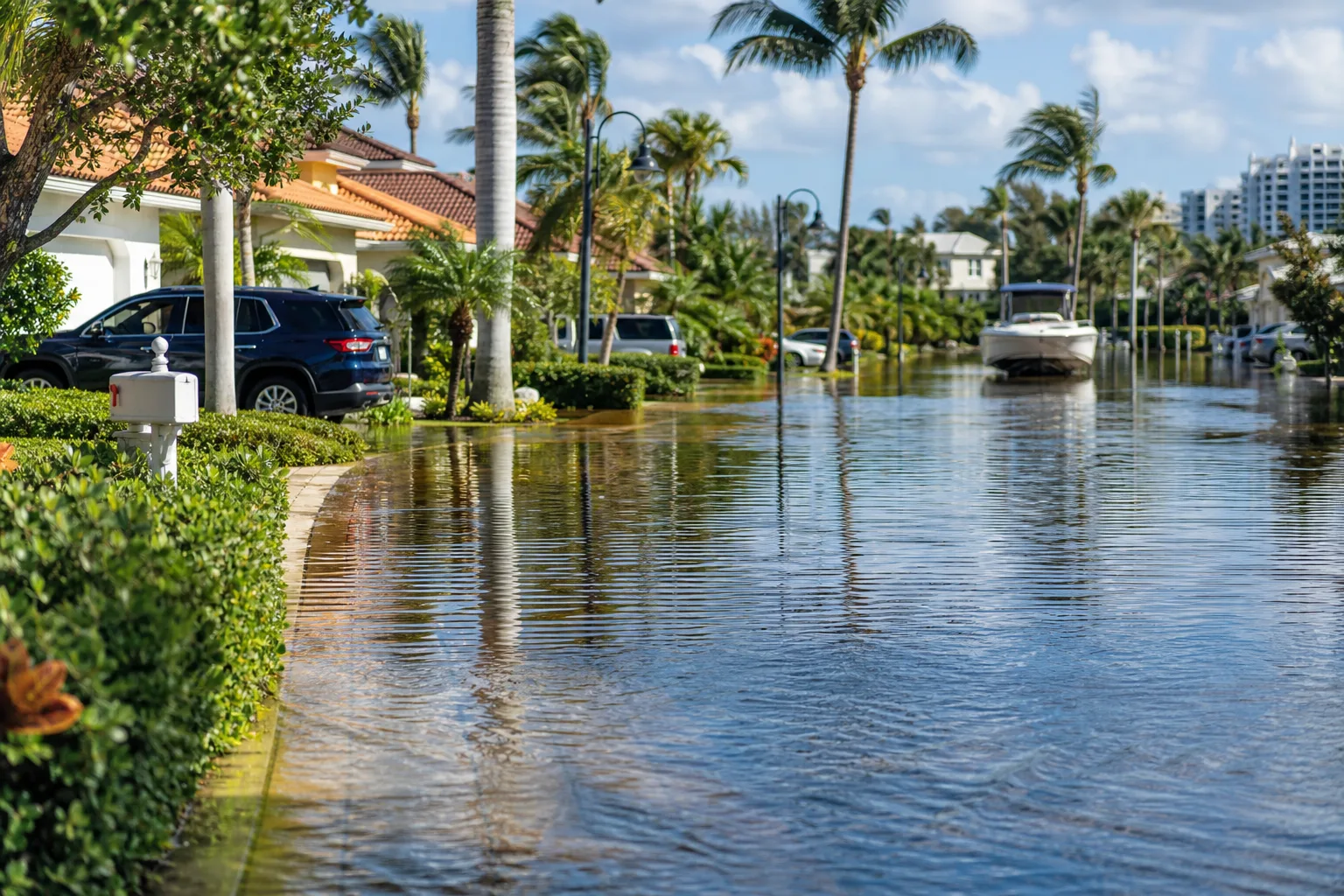
- Flood zone status. Palm Beach County properties near the coast or canals frequently sit in FEMA Special Flood Hazard Areas. A separate flood insurance policy is typically required and does not come bundled with rental coverage.
Step 1: Identify Which Policy Category Fits Your Usage Pattern
There is no single correct policy. The right category depends on your occupancy split.
| Usage pattern | Likely policy type |
|---|---|
| Renting 14 days or fewer per year, mostly personal use | Standard homeowners with incidental rental endorsement |
| Renting more than 14 days, personal stays of 2+ weeks | Short-term rental endorsement or specialty vacation-rental policy |
| Renting most of the year, limited personal visits | Dwelling fire (landlord) policy, sometimes with a personal-use rider |
| Renting the whole year, no personal use | Landlord/dwelling fire policy only |
A standard homeowners insurance policy is built around owner-occupant risk. The moment you regularly rent to paying guests, most carriers either exclude coverage for guest injuries or restrict coverage for damage caused by tenants. Read the exclusions section, not just the declarations page.

Step 2: Address the Three Core Coverage Gaps
Gap 1: Liability for Paying Guests
A guest slips by your pool in Lantana. Your standard homeowners policy may deny the claim because the guest was a paying tenant, not a social visitor. A short-term rental endorsement or landlord policy closes this gap by treating the occupant as a renter rather than an invited guest.
Gap 2: Rental Income Loss
If a hurricane damages the property and you cannot rent it for three months, you lose income. Standard homeowners policies cover additional living expenses for the owner, not lost rental income. A landlord policy or rental-income endorsement covers the revenue gap while repairs are made.
Gap 3: Tenant-Caused Property Damage
Most homeowners policies exclude damage caused intentionally or through gross neglect by a tenant. A landlord policy typically includes this coverage, sometimes called malicious damage by tenant. If your property is in a high-turnover short-term rental market, this matters more than it does for a long-term lease.
Step 3: Handle the Personal-Use Days Correctly
When you stay in the property yourself, you are not a tenant. But your insurer needs to know this in writing.
- Notify your carrier of the rental arrangement upfront. Failing to disclose rental activity is a material misrepresentation and can void a claim.
- Confirm personal-use coverage. Ask specifically: "Am I covered for liability and property damage during the weeks I personally occupy the home?"
- Keep a usage log. A simple calendar showing rental dates versus owner-occupied dates protects you if a claim dispute arises over who was in the property.
Paying too much for Florida homeowners insurance? Get a free home quote
Step 4: Layer in Flood Coverage Separately
Florida's rental property market is concentrated along coasts and waterways where flood risk is real. A homeowners, landlord, or vacation-rental policy does not cover rising water. Flood damage to a rental property can wipe out the structure and your rental income simultaneously.
If you carry a mortgage, federal law may already require flood insurance. Even without a mortgage, a flood insurance policy through the National Flood Insurance Program (NFIP) or a private carrier is worth evaluating. The NFIP does cover non-owner-occupied properties. (FEMA NFIP overview)
Step 5: Review Liability Limits for Short-Term Rentals
Short-term rental platforms like Airbnb and VRBO offer host protection programs, but these are not insurance policies. They have exclusions, claims processes you do not control, and limits that may not match your property's exposure. Your own liability coverage should be primary. Consider whether an umbrella policy makes sense once the base policy is in place.
Common Mistakes
- Assuming the platform's host guarantee is enough. It is a secondary backstop with conditions, not a substitute for your own policy.
- Keeping a standard homeowners policy and not disclosing rental activity. A denied claim after a guest injury can cost far more than the premium difference.
- Setting rental income loss limits based on last year's bookings. Palm Beach County vacation rental demand is seasonal. Set limits based on peak-season revenue, not annual average.
- Forgetting to update coverage after renovations. A new kitchen or added bathroom increases replacement cost. An outdated coverage limit leaves you underinsured if the property is damaged.
- Skipping renters insurance guidance for long-term tenants. Your landlord policy covers the structure. It does not cover a tenant's belongings. Requiring tenants to carry renters insurance reduces friction if they claim your policy should cover their stuff.
Bottom Line
A property that doubles as a rental and a personal retreat needs a policy that matches how you actually use it, not just what it looked like when you bought it. The critical steps are classifying your usage honestly, closing the three gaps (liability, income loss, and tenant damage), and adding flood coverage separately.
Because independent agents can quote multiple carriers, they can often find a policy that covers both your rental and personal-use exposures without forcing you into two separate policies. Reach out to B & B Insurance Agency for a no-pressure review of your current coverage and a comparison of options that fit your specific rental schedule.
Paying too much for Florida homeowners insurance?
B & B Insurance shops multiple carriers to find you the right coverage at the right price — and we know Florida wind and flood rules cold.
Frequently asked questions
Does my standard homeowners policy cover a guest who pays to stay at my property?
Usually not. Most standard homeowners policies are written for owner-occupant risk and exclude or limit liability for paying guests. A short-term rental endorsement or a landlord policy typically provides the right liability coverage for paying tenants.
If I use the property more than 14 days a year for personal stays, does that change my insurance category?
It can. The 14-day threshold matters more for tax classification, but insurers use the overall rental frequency and income to determine whether the property is primarily a personal residence or an investment property. Be transparent with your carrier about your actual usage split.
Can one policy cover both my personal stays and the rental periods?
Yes, in many cases. Specialty vacation-rental policies and certain short-term rental endorsements are designed to cover both uses under one form. An independent agent can compare carrier options to find a policy that handles both exposures rather than requiring you to manage two separate policies.
What happens to my rental income coverage if a hurricane makes the property uninhabitable?
A standard homeowners policy covers your additional living expenses as the owner, not your lost rental revenue. A landlord policy or rental income endorsement specifically covers the income you would have collected during the repair period. Check that your limit reflects your peak rental season, not just an annual average.
This article is general information, not legal or financial advice. Coverage depends on the terms, conditions, and exclusions of your specific policy, so talk with a licensed insurance agent about your situation.
Have a question about this topic?
Our experienced agents are happy to help — no pressure, just straight answers.