TL;DR: The 2026 Atlantic hurricane season runs June 1 through November 30, with peak activity typically clustering between mid-August and mid-October. Insurers may impose binding moratoriums as storms approach, with timing and geography varying by carrier, so any coverage gaps you have today will still exist when the storm arrives. The time to fix those gaps is now, not the week a cone appears on the news.
What Happened
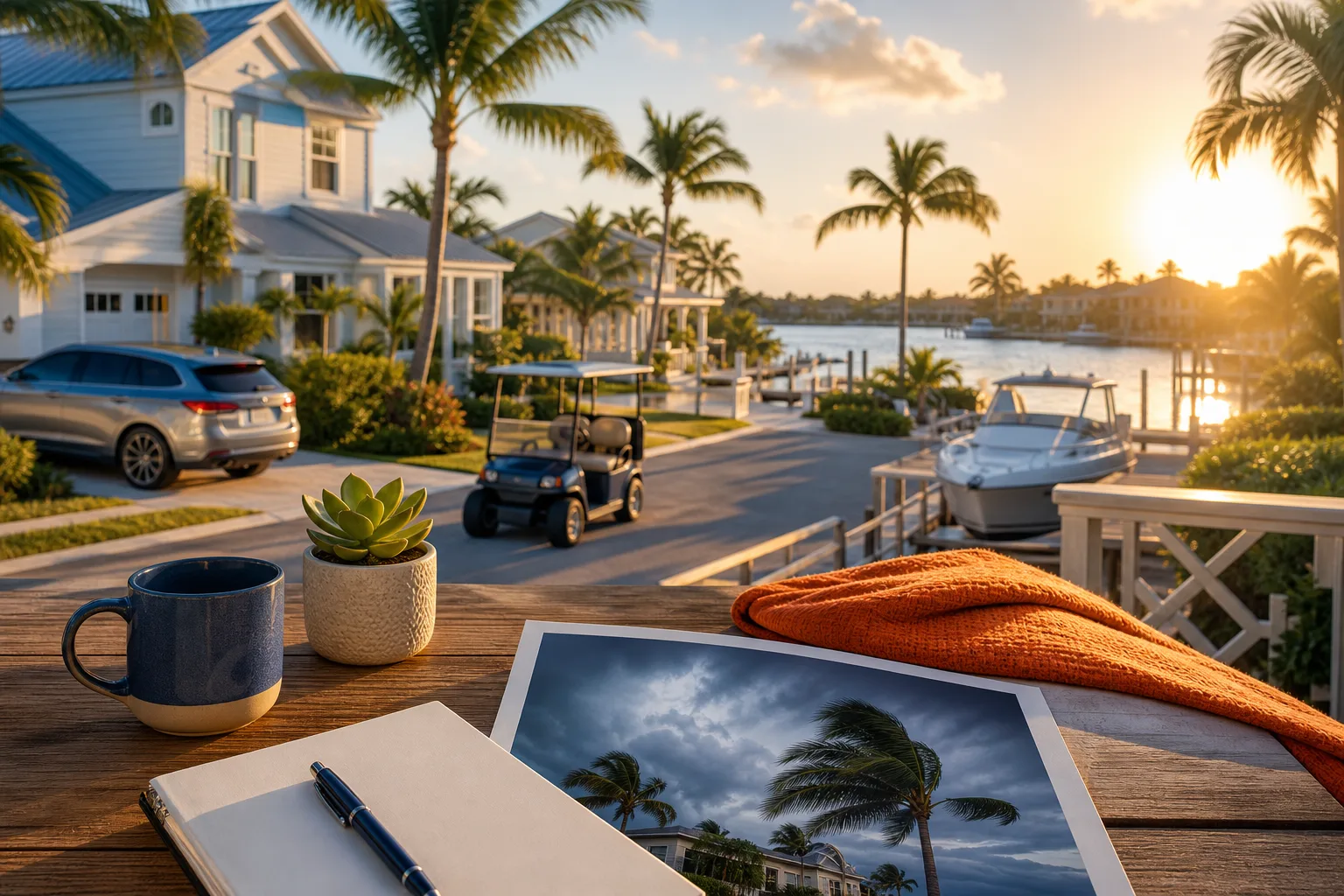
Each year, the National Oceanic and Atmospheric Administration (NOAA) and Colorado State University release seasonal hurricane outlooks based on sea-surface temperatures, wind shear patterns, and the El Niño or La Niña cycle. As of NOAA's August 6, 2026 update, its seasonal outlook favored below-normal Atlantic activity; the forecast does not predict where storms will make landfall. You can track those releases directly on the NOAA Hurricane Center site.
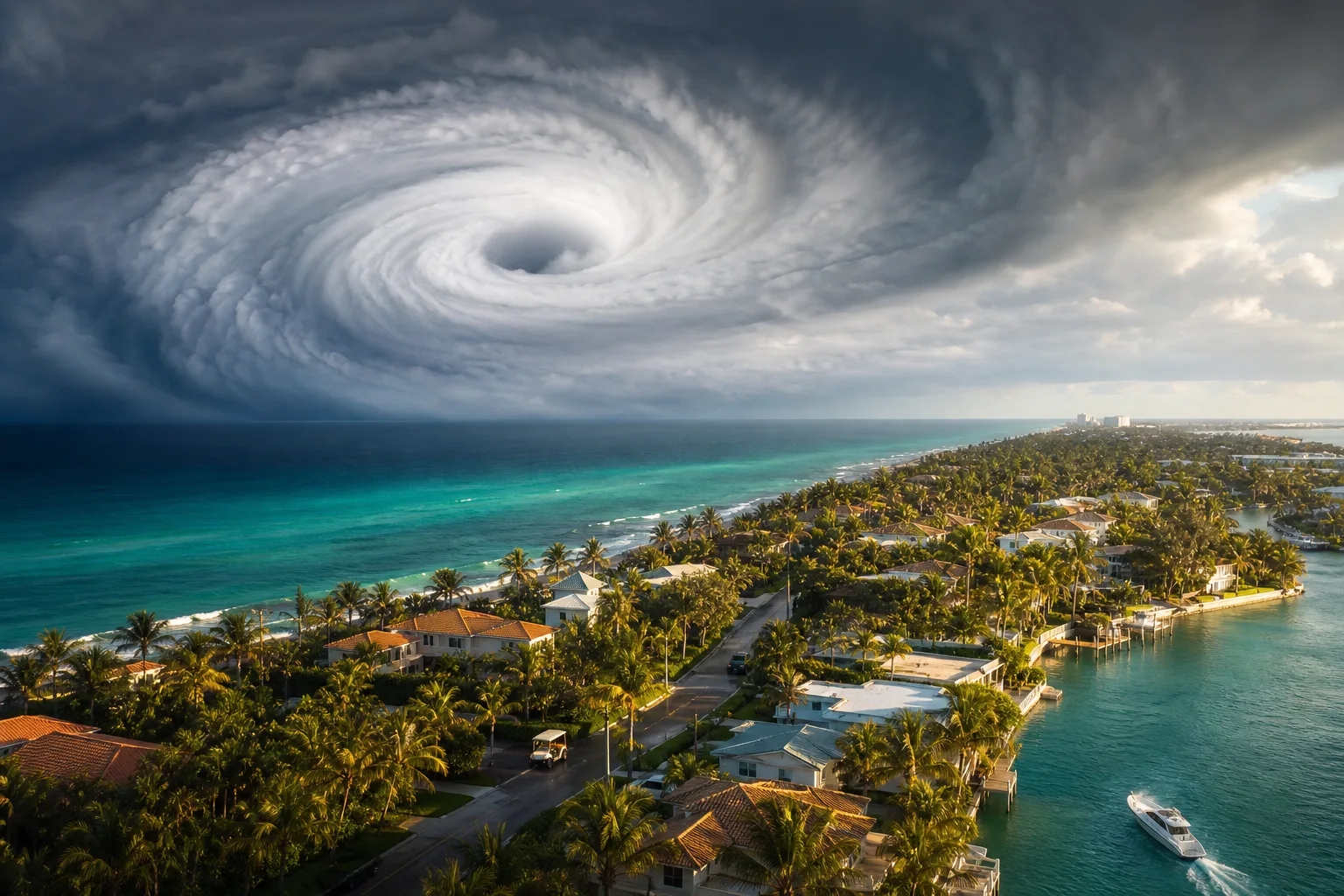
What we do know from historical data is that South Florida, and Palm Beach County specifically, sits in a high-exposure corridor. Major storms have made landfall or passed close enough to cause significant damage in every decade since records began. The 2004 and 2005 seasons alone reshaped the entire Florida homeowners insurance market, driving many national carriers to reduce or exit the state. That reshaping is still playing out today through higher premiums, stricter underwriting, and Citizens Property Insurance Corporation serving as the state's insurer of last resort for many South Florida homeowners.
The 2026 season arrives in a market where several private carriers have re-entered Florida after legislative reforms passed in 2022 and 2023. That is cautiously good news, but it does not mean you can assume your current policy is still your best option.
Why It Matters
Hurricane preparedness is not just about boarding windows and buying water. It is about knowing exactly which policy pays for exactly which damage before the storm, not after.
Here is the coverage breakdown that trips up Palm Beach County homeowners every single season.
Your Homeowners Policy Covers Wind Damage, Not Flooding
A standard homeowners insurance policy in Florida typically covers wind damage to your structure and personal property. That means a roof torn off by 100-mph winds, a fence destroyed by a falling tree, or siding ripped away. It does not cover water that enters your home from the ground up.
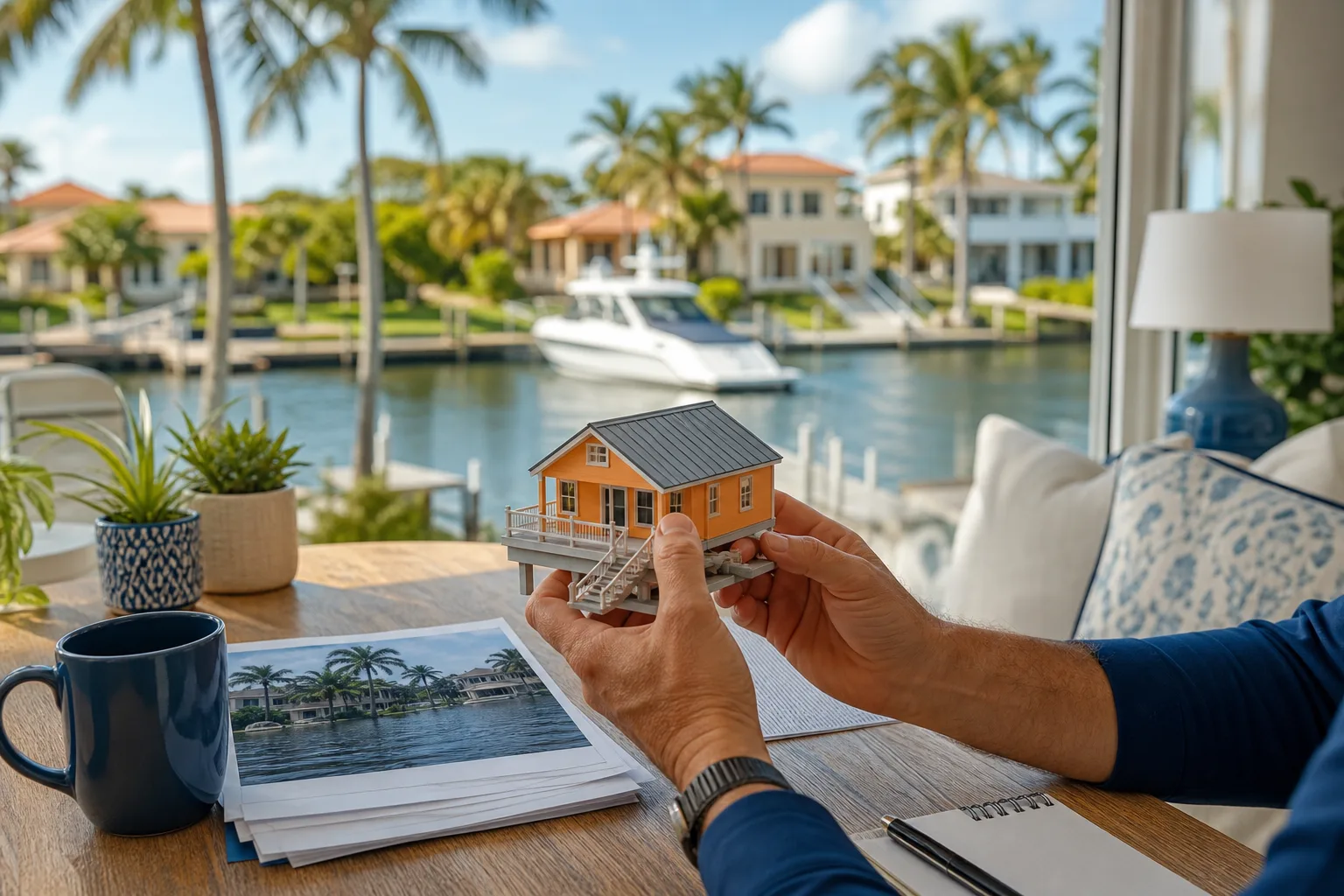
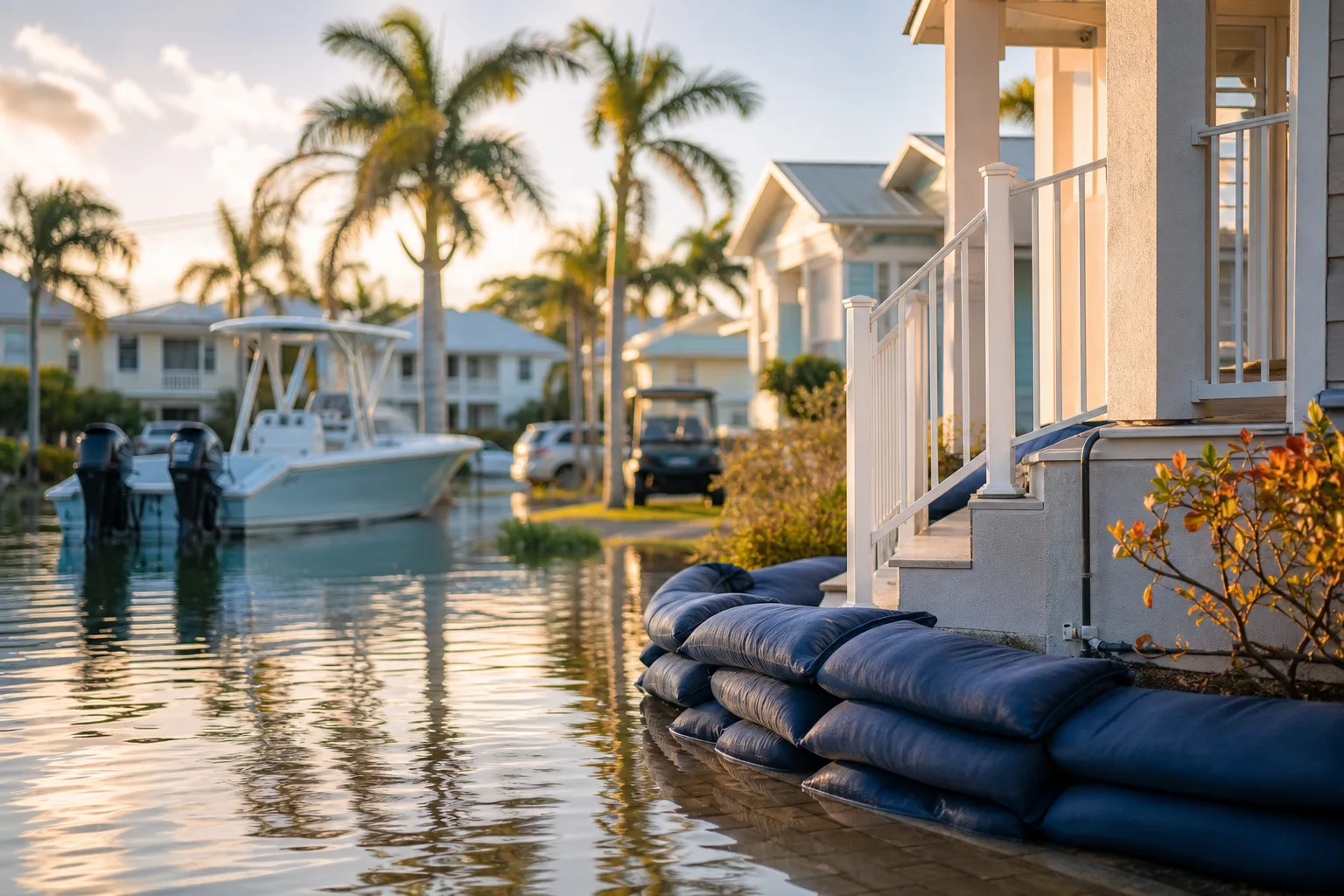
Storm surge, which is the wall of ocean water pushed inland by a hurricane's circulation, is considered flooding. So is rainwater that overwhelms drainage systems and flows into your yard and then your first floor. Your HO policy will not pay for either of those losses.
Flood Insurance Requires Dedicated Coverage
Flood insurance is commonly purchased through the National Flood Insurance Program (NFIP) or a private flood carrier; some private homeowners insurers offer flood endorsements. There is a 30-day waiting period before most NFIP policies take effect. Ask when any new flood policy would take effect; most NFIP policies have a 30-day waiting period, with limited exceptions.
Palm Beach County includes both FEMA high-risk zones (AE, VE) and moderate-risk zones (X). If you are in a moderate-risk zone and opted out of flood insurance because your mortgage lender did not require it, you may be carrying more risk than you realize. The FEMA Flood Map Service Center lets you look up your specific property's flood zone designation.
Your Deductible Likely Works Differently Than You Think
Florida homeowners policies include a separate hurricane deductible. It is typically calculated as a percentage of your home's insured value, often 2% or 5%, rather than a flat dollar amount. On a home insured for $400,000, a 2% hurricane deductible means you pay the first $8,000 out of pocket before your carrier covers anything. Many homeowners discover this number for the first time when they file a claim.
Review your declarations page now. Know your deductible. Know your dwelling coverage limit. Know whether your policy includes replacement cost or actual cash value for your roof. An older roof paid out at actual cash value after a storm can result in a much smaller check than expected.
Boats, Golf Carts, and Vehicles Need Their Own Attention
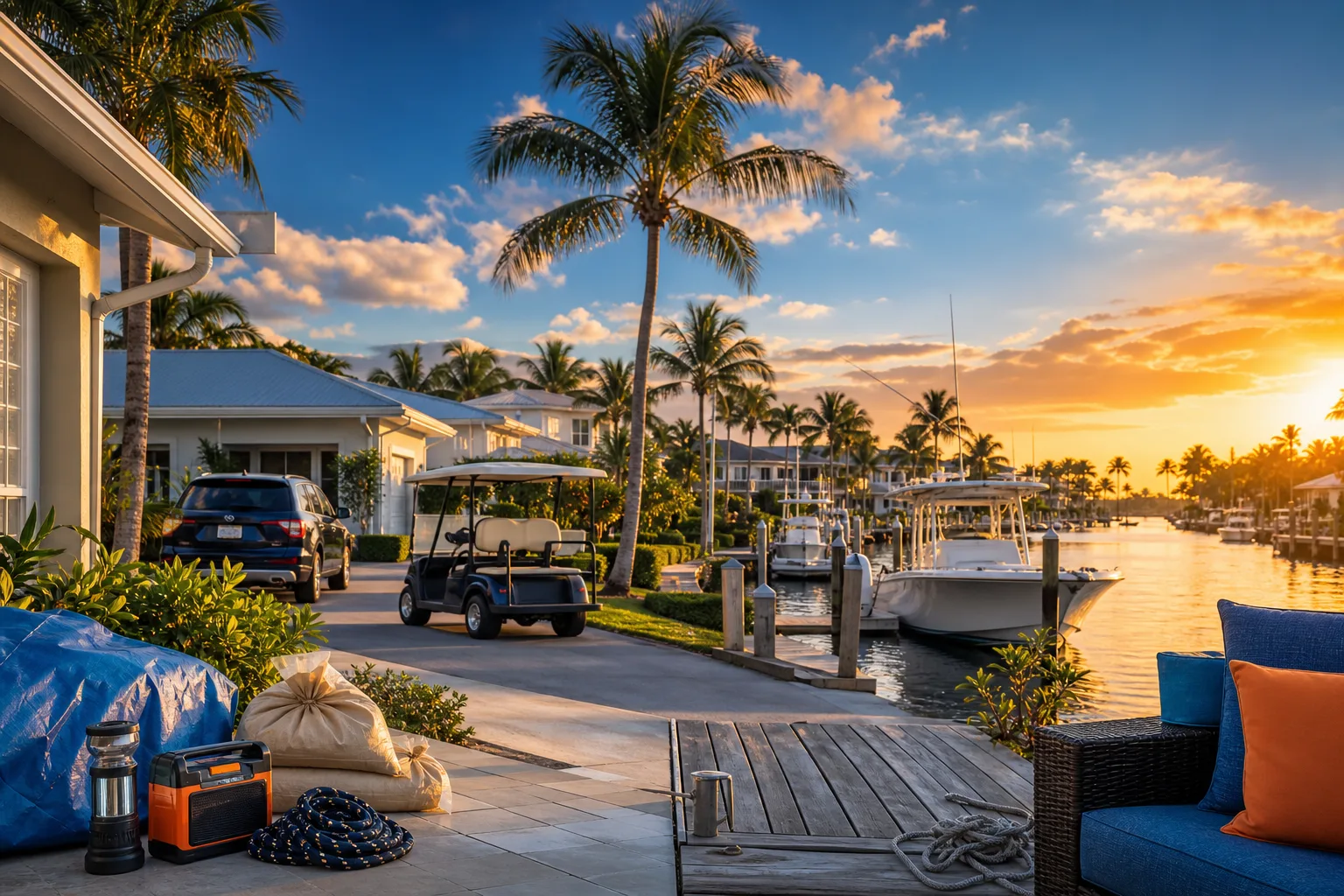
If you store a boat at a marina or at home, your boat insurance policy may include hurricane haul-out requirements. Many policies require you to move the vessel to a named inland location or out of a specific geographic zone when a watch or warning is issued. Failure to comply can result in a denied claim. Read that section of your marine policy before the next storm.
Golf carts used on Palm Beach County roads have their own exposure during storm season. Coverage for a golf cart left outside during a hurricane depends on the policy, endorsements, and vehicle classification. A dedicated golf cart insurance policy, or a street legal golf cart policy if yours operates on public roads, is the correct coverage vehicle. Store it inside if you can, and confirm it is listed on an active policy.
Auto coverage under a comprehensive policy does pay for storm-related vehicle damage, including flooding and falling debris. If you carry only liability on a vehicle, you have no protection from hurricane damage to that car. Now is a reasonable time to review your auto insurance and decide if adding comprehensive is worth the premium for storm season.
Paying too much for Florida homeowners insurance? Get a free home quote
What We Don't Know Yet
NOAA issued its 2026 seasonal outlook in May and updated it in August; forecasts describe Atlantic-wide activity, not where individual storms will track. The forecast does not establish Palm Beach County's landfall risk. A below-average season can still produce a catastrophic storm for any single location, just as an above-average season can largely spare South Florida.
We also do not yet know how Florida's insurance market will behave through the 2026 renewal cycle. Some carriers that re-entered the market after legislative reforms are still calibrating their risk appetite. Premium changes are possible at renewal, and coverage terms can shift. If you have not received your renewal documents or compared your current policy to alternatives recently, that is worth doing before the next renewal or storm.
Finally, FEMA's flood map update process is ongoing in Palm Beach County. Properties that were outside a high-risk zone a few years ago may have been remapped into one. Check your current flood zone designation and verify whether your flood insurance coverage limit is still appropriate for your property's value.
What to Do About It
Here is a checklist to work through before your next renewal or storm.
Review now:
- Pull out your homeowners declarations page. Confirm your dwelling coverage limit, your hurricane deductible percentage, and whether your roof is insured at replacement cost or actual cash value.
- Look up your flood zone at the FEMA Flood Map Service Center. If you are in an AE or VE zone and do not have flood insurance, contact us immediately. The 30-day waiting period means you need to act now.
- If you have flood insurance, check your policy limit against your current home value and the value of contents you would need to replace.
Before a storm approaches:
- Confirm your boat insurance hurricane plan. Know exactly what your policy requires you to do when a watch is issued, and have a plan ready to execute.
- Verify that your golf cart is on an active insurance policy.
- Make sure your auto comprehensive coverage is in place if you want storm damage protection for your vehicles.
- Take a video walkthrough of your home and all major personal property items. Store the video in cloud storage, not just on a local device that could be damaged or lost.
Ongoing through November 30:
- Check the National Hurricane Center at the start of each week during peak season, roughly mid-August through mid-October.
- Remember that binding restrictions vary by insurer and can begin before a local watch is issued. Do not wait for a storm to be named before addressing gaps.
- If a storm is approaching, do not call your agent to add coverage. Call your agent now, when the sky is clear.
A note on Citizens Property Insurance Corporation: If your home is currently insured through Citizens, understand that Florida law allows Citizens to offer you a policy from a takeout carrier. Review the takeout notice and eligibility information; an offer of comparable coverage within 20% of Citizens' estimated renewal premium may make you ineligible to remain with Citizens. Before you decline, compare the new carrier's terms carefully. In some cases, a private policy may offer better terms. In others, Citizens may still be the more stable choice for your situation. A conversation with an independent agent who shops multiple carriers, rather than one who represents a single company, is the most efficient way to make that comparison.
B & B Insurance Agency has been doing exactly that for Palm Beach County families since 1998. We are an independent agency in Lantana, which means we work for you, not for any single carrier. If you want someone to sit down with your current policy and tell you plainly what it covers, where the gaps are, and what alternatives exist, reach out to us. No pressure, no jargon, just a straight answer before the season gets busy.
Paying too much for Florida homeowners insurance?
B & B Insurance shops multiple carriers to find you the right coverage at the right price — and we know Florida wind and flood rules cold.
Frequently asked questions
When does Florida hurricane season start and end in 2026?
The official Atlantic hurricane season runs from June 1 through November 30. Peak activity historically clusters between mid-August and mid-October, though named storms can and do form outside that window. South Florida homeowners should review coverage before their next renewal or an approaching storm.
Does my Florida homeowners insurance cover hurricane flood damage?
No. A standard homeowners policy covers wind-related damage but excludes flooding from storm surge or rising water. Flood damage requires dedicated coverage, commonly a separate NFIP or private policy, though some private insurers offer endorsements. Most NFIP policies have a 30-day waiting period, so do not wait until a storm is named.
What is a hurricane deductible and how is it different from my regular deductible?
A Florida hurricane deductible is calculated as a percentage of your home's insured value, typically 2% or 5%, rather than a flat dollar amount. On a $400,000 home with a 2% hurricane deductible, you would owe the first $8,000 out of pocket before your insurer pays. Check your declarations page now so you know your exact number before a storm approaches.
Can I buy flood insurance after a hurricane is named and still be covered?
Most NFIP policies have a 30-day waiting period, with specific exceptions. Private-policy effective dates and binding restrictions vary. Ask the insurer when coverage will begin before relying on a new policy.
Does my homeowners policy cover my golf cart or boat during a hurricane?
Golf cart coverage varies by homeowners policy, endorsements, vehicle status, and storage location. Ask your agent to confirm coverage and whether a separate golf cart policy is needed. A separate marine policy can provide broader boat coverage; review any hurricane-plan or haul-out terms in the policy.
How do I know if B & B Insurance Agency can find me a better hurricane policy?
As an independent agency, B & B Insurance Agency shops multiple carriers rather than representing just one, which means we can compare options across the market on your behalf. If you have a current policy and want to know whether your coverage limits, deductibles, and flood protection are appropriate for your Palm Beach County property, contact us for a coverage review.
Have a question about this topic?
Our experienced agents are happy to help — no pressure, just straight answers.