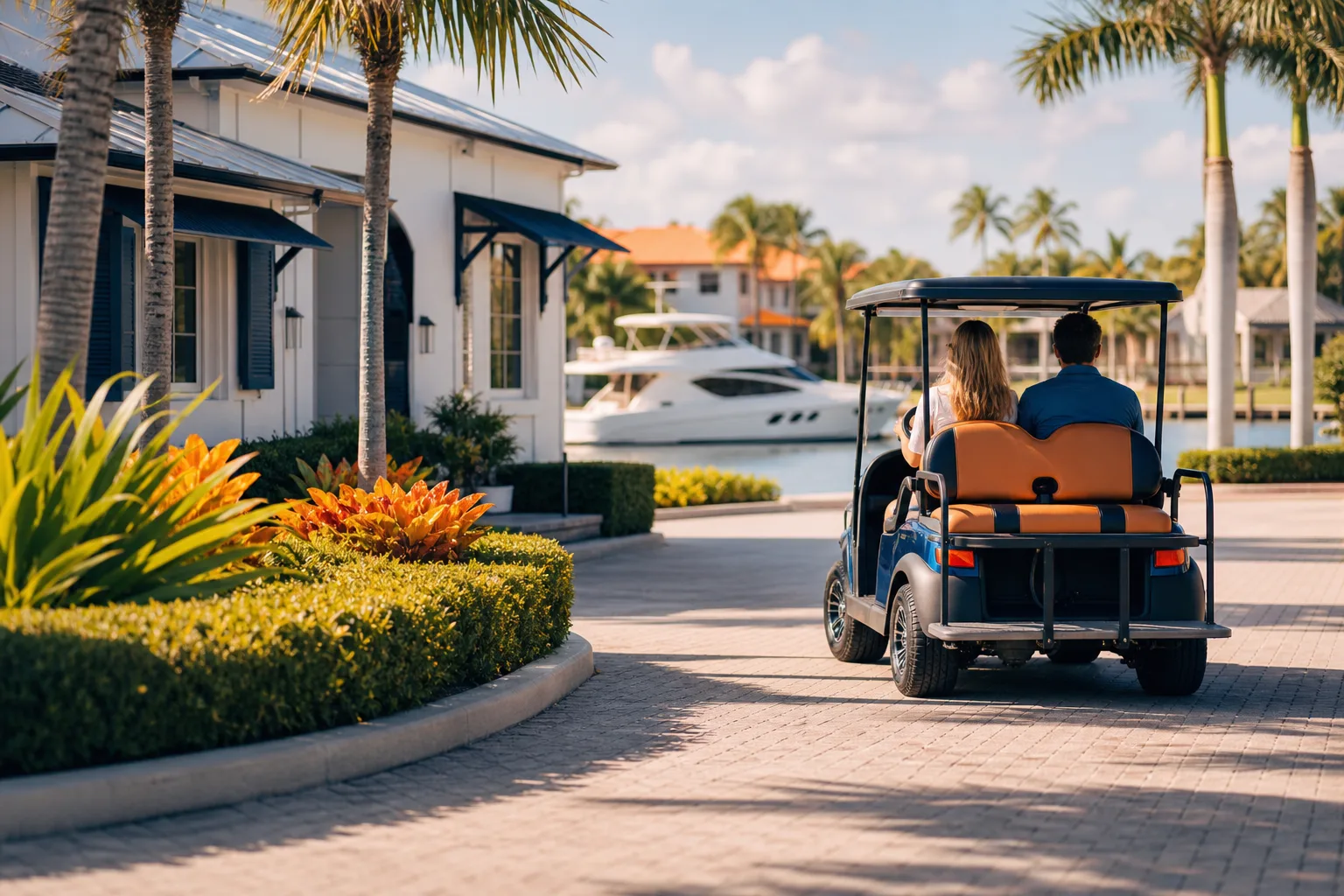
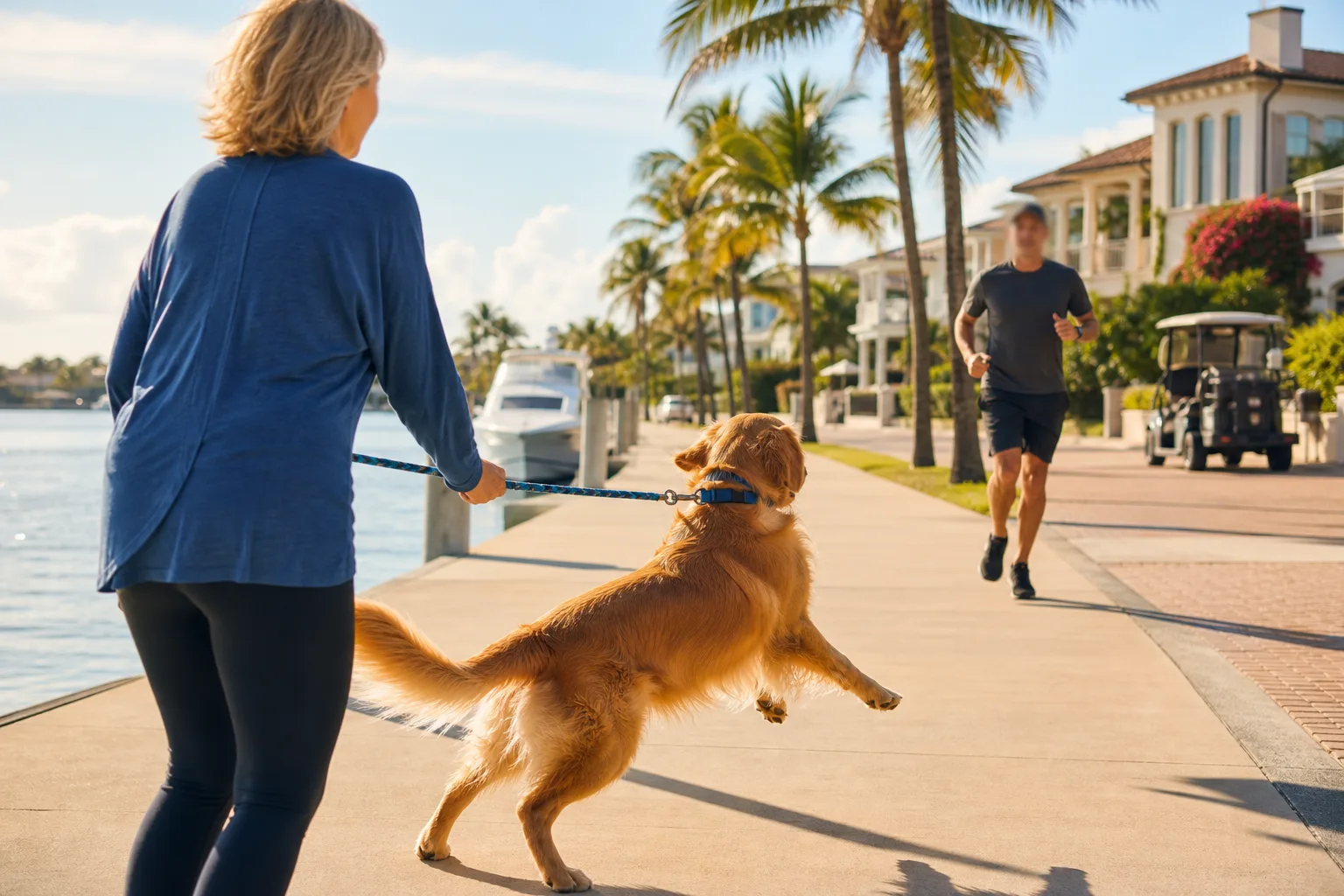
TL;DR: The personal liability section of a Florida homeowners policy usually follows you wherever you go, not just on your own property. It can help pay for injuries or property damage you accidentally cause to other people, whether that happens at your neighbor's pool party in Wellington or on a sidewalk in downtown West Palm Beach. Knowing your limits, exclusions, and when to add an umbrella policy matters more than most homeowners realize.\n\n## What You Need\n\nBefore we walk through how this coverage actually works, gather these:\n\n- Your current homeowners policy declarations page, specifically the "Coverage E, Personal Liability" and "Coverage F, Medical Payments" limits\n- A list of activities your household regularly does off-property (youth sports coaching, dog walking, boat outings, renting out a golf cart to guests)\n- Any side businesses or rental activity run from your home, since these can affect coverage\n- Contact information for B & B Insurance Agency if you're not sure what your current limits are\n\nIf you rent instead of own, the same liability logic applies to your renters insurance policy, just built into a different form.\n\n## Step 1: Understand What "Personal Liability" Actually Means\n\nCoverage E on a standard homeowners policy is not about damage to your own house. It is about your legal responsibility when you, a family member living with you, or sometimes even your pet, accidentally injures someone else or damages their property.\n\nThe key word is "accidentally." Intentional acts are not covered. Neither is professional negligence, which falls under a different type of policy entirely.\n\nMost Florida homeowners policies include personal liability limits starting around $100,000, with higher options commonly available. Because lawsuit values and medical costs have climbed steadily, many South Florida families choose to increase this limit well beyond the minimum, especially in Palm Beach County where property values and jury awards tend to run higher than the state average.\n\n## Step 2: Know That This Coverage Travels With You\n\nHere is the part many homeowners miss. Personal liability coverage is not tied to your address. It generally follows the insured people named on the policy, wherever an accident happens, both in the United States and often worldwide, subject to your policy's specific terms.\n\nPractical examples in our area:\n\n- Your teenager accidentally hits a golf ball through a car windshield at a public course in Boynton Beach\n- Your dog bites a jogger while you're walking on the beach in Lake Worth Beach\n- A guest slips on a wet floor while visiting your rental condo in Riviera Beach\n- You accidentally knock over an expensive display while shopping at the Gardens Mall\n\nIn each of these, the liability section of your homeowners policy may respond, not your auto policy, and not a business policy, because none of these involve a vehicle you're operating or a commercial activity.\n\nDog-related incidents deserve extra attention here. Florida has specific statutory rules around dog bite liability, and some breeds or bite histories can affect your coverage or even your ability to get a policy at standard rates. If this applies to your household, it's worth a direct conversation about dog bite liability insurance so there are no surprises.\n\n## Step 3: Know Where the Coverage Stops\n\nPersonal liability coverage is broad, but it has real boundaries. It typically will not respond to:\n\n- Injuries to you or people who live in your household (that's what health insurance and life insurance are for)\n- Anything involving a car, motorcycle, or other motor vehicle you operate, which falls under your auto insurance or motorcycle insurance instead\n- Boat and watercraft incidents beyond small, low-horsepower exceptions many policies define narrowly, which is why a separate boat insurance policy matters if you're on the water often\n- Business-related injuries or damage, even if the business is run from your home\n- Intentional harm or criminal acts\n- Flood-related liability, since flood is its own peril entirely separate from homeowners coverage\n\nThat last point trips people up constantly. Homeowners liability and flood insurance are not interchangeable, and neither is windstorm coverage. If your yard floods and water damages a neighbor's fence, that's a different claims conversation than if a tree branch from your yard falls on their car during a windstorm. Our flood insurance page breaks down what flood policies actually cover versus what your homeowners policy handles.\n\n## Step 4: Watch for Off-Property Risks Unique to South Florida Living\n\nPalm Beach County life comes with specific off-property exposures that homeowners in other states rarely think about:\n\nGolf carts. If you or a family member drives a golf cart around a Wellington community, on the beach roads in Lantana, or between amenities at a 55-plus community, that cart likely needs its own policy. Homeowners liability generally does not extend to golf cart operation, especially if the cart is street legal and titled as a low-speed vehicle. See our golf cart insurance and street legal golf cart insurance pages for the distinction, since the rules differ based on how the cart is registered and where it's driven.\n\nBoating season injuries. Between snowbird season and the summer boating months, liability exposure on the water is real. A homeowners policy will not adequately cover a boating accident. That needs its own boat insurance policy.\n\nHurricane season volunteer work. Many of our neighbors help board up houses, clear debris, or assist elderly relatives before storms. If you're doing this as a good neighbor, not as a paid contractor, your personal liability coverage generally applies. If money changes hands or you're doing this regularly for others, that shifts toward business activity, which needs general liability coverage instead.\n\n## Step 5: Consider Whether Your Limits Are Actually Enough\n\nA lot of homeowners carry whatever liability limit came bundled with their policy years ago and never revisit it. That's a mistake in a county where medical costs and legal judgments have grown considerably.\n\nAsk yourself:\n\n- Do you have significant equity in your home or other assets that a lawsuit could put at risk?\n- Do you host large gatherings, own a pool, own a dog, or have teenagers who drive or play sports?\n- Would $100,000 realistically cover a serious injury claim today?\n\nIf you answered yes to any of these, it's worth asking your agent about raising your Coverage E limit or adding a personal umbrella policy, which sits on top of your homeowners and auto liability limits and extends protection further, often for a modest annual cost relative to the added protection.\n\nFor general background on how homeowners liability coverage is structured across the industry, the Insurance Information Institute is a solid, neutral resource worth a look.\n\n## Step 6: Review This Every Hurricane Season, Not Just at Renewal\n\nWe tie a lot of our advice to the Florida hurricane calendar for a reason. June 1 through November 30 is when your household's off-property activity tends to spike, more storm prep help, more travel to avoid a storm, more time with extended family staying at your place. That's exactly when liability exposure quietly increases too.\n\nUse the start of hurricane season, June 1, as your annual trigger to review:\n\n1. Your Coverage E limit against your actual net worth\n2. Whether your dog, pool, trampoline, or golf cart situation has changed\n3. Whether an umbrella policy makes sense before storm season activity ramps up\n4. Whether any home-based side income has grown into something needing a general liability or professional liability policy\n\n## Common Mistakes\n\nAssuming liability coverage only applies at home. As covered above, it generally follows you. Don't skip an umbrella conversation just because an incident happened away from your house.\n\nConfusing flood, wind, and liability coverage. These are three separate protections. Flood insurance covers rising water damage to structures and contents. Windstorm coverage (often part of your homeowners policy in Florida) covers hurricane wind damage. Personal liability covers your legal responsibility for injuring others or damaging their property. Mixing these up leads to bad assumptions about what's actually protected.[^1]\n\nForgetting golf carts and boats need their own policies. These are two of the most common gaps we see in Palm Beach County households, precisely because people assume homeowners coverage stretches further than it does.\n\nNot increasing limits as net worth grows. A $100,000 limit that made sense fifteen years ago may not match your current equity, savings, or assets today.\n\nLetting a home business grow without updating coverage. What starts as a hobby selling crafts or offering lessons from home can create liability exposure your homeowners policy was never designed to handle.\n\n## Bottom Line\n\nPersonal liability coverage is one of the most underappreciated parts of a Florida homeowners policy because it works quietly in the background until the day you actually need it. It follows you off your property, but it has real limits, real exclusions, and it is not a substitute for auto, boat, golf cart, or flood coverage. Take ten minutes at the start of hurricane season each year to check your limits against your life today, not the life you had when you first bought the policy. If it's been a while, reach out to B & B Insurance Agency and we'll walk through your homeowners insurance with you, carrier by carrier, so you know exactly what follows you out the door.\n\n[^1]: For an overview of how flood risk differs from standard homeowners coverage, see FEMA's National Flood Insurance Program resources at fema.gov.
Paying too much for Florida homeowners insurance?
B & B Insurance shops multiple carriers to find you the right coverage at the right price — and we know Florida wind and flood rules cold.
Frequently asked questions
Does my homeowners liability coverage protect me if I'm at someone else's house?
Generally yes. Personal liability coverage under Coverage E typically follows the people named on your policy rather than staying tied to your address, so an accidental injury you cause at a friend's house in Wellington or a public place would usually fall under this coverage. Always confirm your specific policy language, since exclusions vary by carrier.
Is my golf cart covered under my homeowners liability policy?
Usually not, especially if the cart is street legal or titled as a low-speed vehicle. Golf carts typically need a separate policy, and we break down the difference between standard and street-legal cart coverage on our golf cart insurance pages.
What's the difference between homeowners liability and flood insurance?
Homeowners liability covers your legal responsibility when you accidentally injure someone or damage their property. Flood insurance covers physical damage to structures and belongings from rising water. They are entirely separate coverages sold on different policies, and one does not substitute for the other.
How much personal liability coverage should I carry in Palm Beach County?
There's no single right number, since it depends on your assets, net worth, and household risk factors like pools, dogs, or teen drivers. Many homeowners choose to raise their standard limits and add a personal umbrella policy for extra protection, particularly if their equity or savings have grown over the years.
Does homeowners liability cover dog bites?
Often yes, but not always, and Florida has specific statutory rules around dog bite liability. Certain breeds or bite histories can affect your rate or eligibility, so it's worth discussing your specific situation with your agent rather than assuming standard coverage applies.
Do I need an umbrella policy if I already have homeowners and auto insurance?
An umbrella policy extends beyond the liability limits of your existing homeowners and auto policies, which can matter if a serious injury claim exceeds those base limits. It's not required, but many Palm Beach County homeowners with meaningful assets choose one for the added layer of financial protection.
Have a question about this topic?
Our experienced agents are happy to help — no pressure, just straight answers.