TL;DR: Loss of Use coverage (also called Additional Living Expenses) pays for extra costs like hotels, rent, and meals if a covered loss makes your home unlivable after a hurricane. It only kicks in when the damage is covered by your homeowners or flood policy, not just because you evacuated. Knowing the trigger, the limit, and the paperwork before June 1 saves you real stress in September.
Every hurricane season, we get calls from families sitting in a hotel room wondering if their homeowners policy will help pay for it. The answer depends on what actually damaged the home, and that's where a lot of confusion starts. Let's walk through it step by step, the way we'd explain it sitting across the desk from you here in Lantana.
What you need
Before a storm ever forms in the Atlantic, gather these so you're not scrambling later:
- A copy of your current homeowners insurance declarations page, showing your Loss of Use limit (often shown as "Coverage D")
- A copy of your flood insurance policy if you carry one, since flood and wind damage are covered very differently
- Photos or video of your home's condition before storm season starts
- A simple folder (paper or digital) for receipts: hotel, gas, meals, laundry, pet boarding
- Your agent's direct contact info, saved somewhere other than your phone in case it's damaged or lost
Step 1: Understand what actually triggers Loss of Use
Loss of Use, sometimes labeled Additional Living Expenses (ALE) or Fair Rental Value on a policy, pays extra costs of living away from home only when your home is uninhabitable due to a covered peril. That's the key phrase: covered peril.
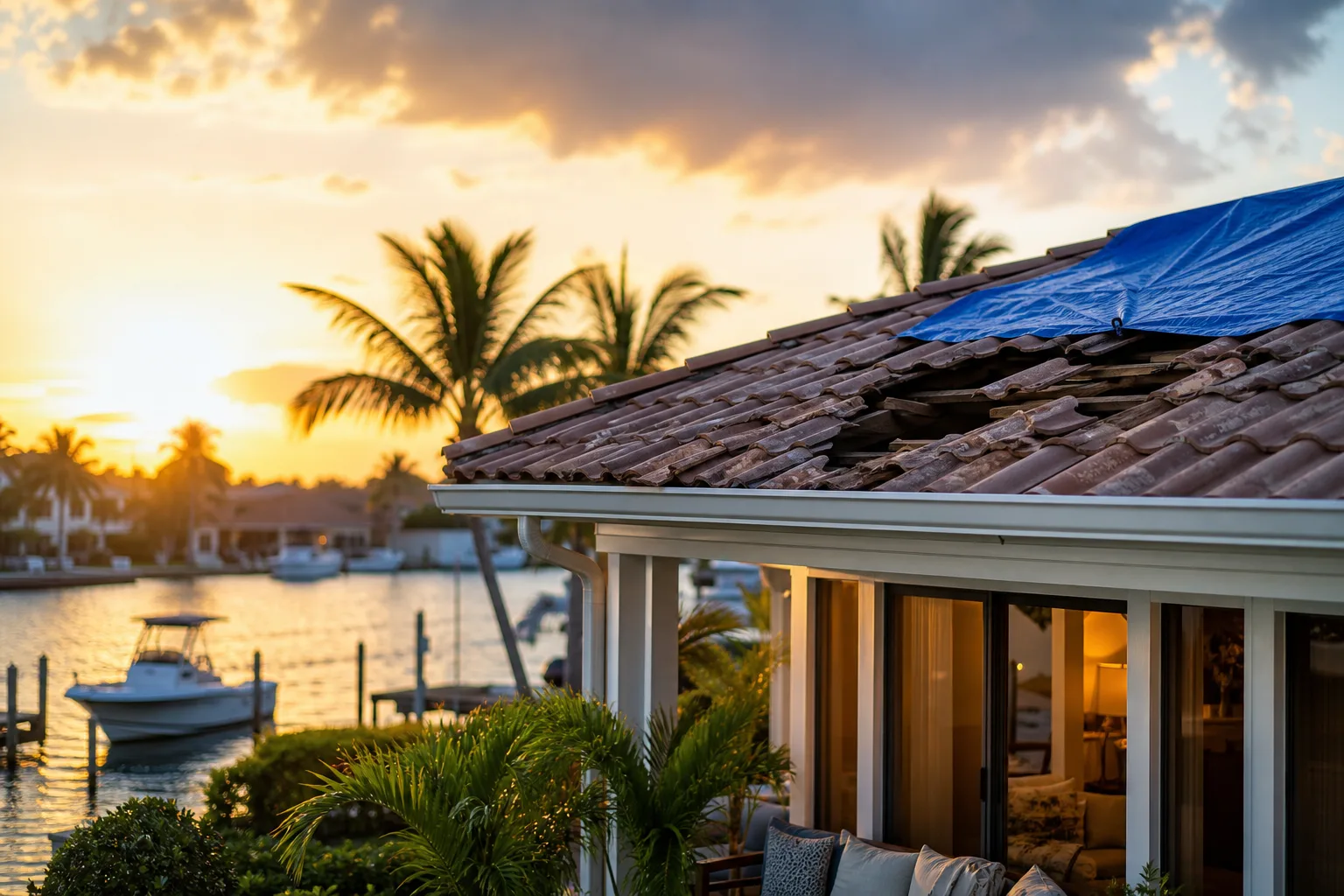
A standard homeowners policy typically covers wind damage from a hurricane, like a tree through the roof or windows blown out by wind-driven debris. It does not cover rising floodwater, which is a separate peril handled by flood insurance through the National Flood Insurance Program or a private flood carrier. The Insurance Information Institute has a clear breakdown of how wind and flood are treated as distinct perils under most U.S. property policies iii.org.
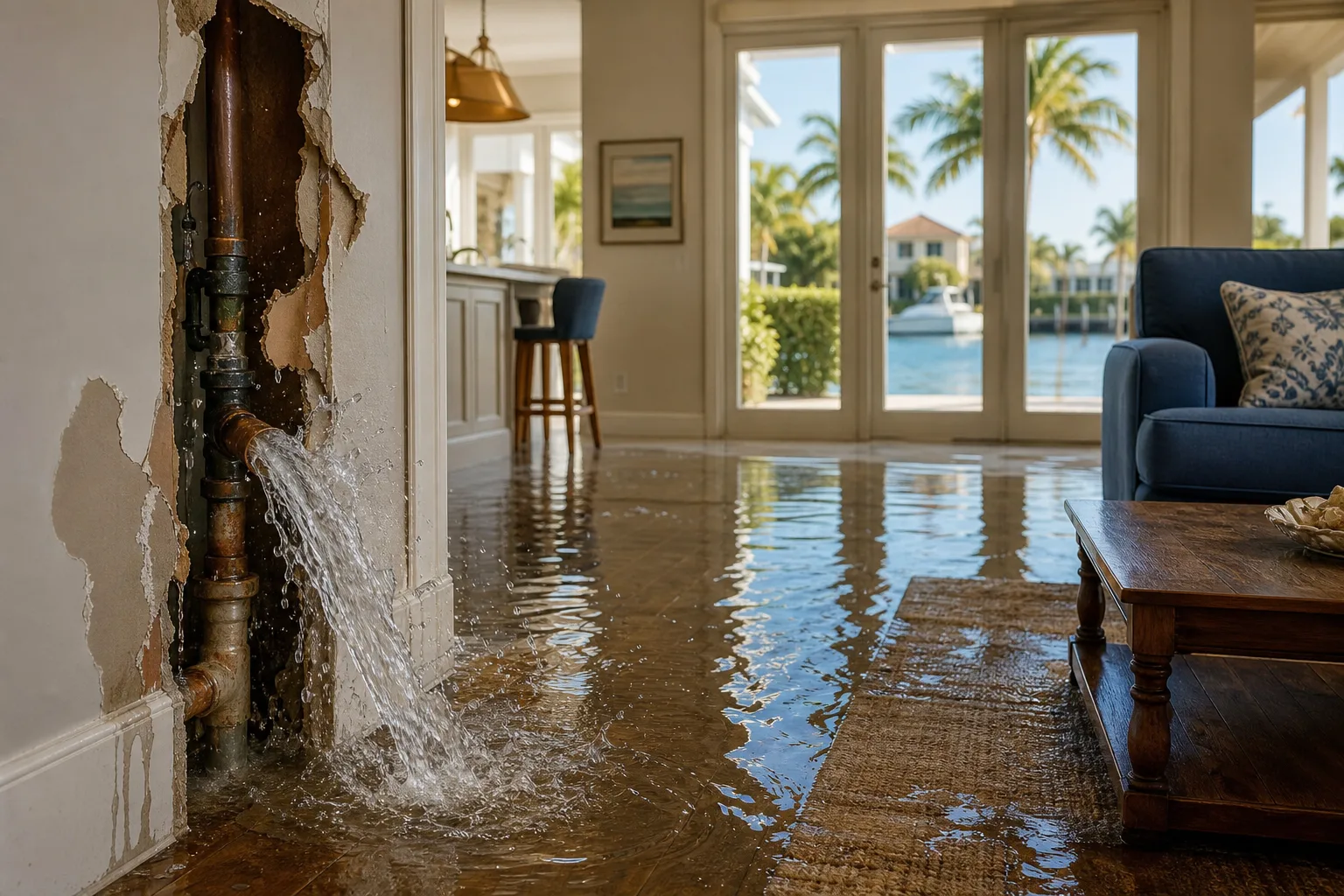
So if wind tears off part of your roof and rain gets in, your homeowners policy's Loss of Use likely applies. If storm surge or overflowing canals flood your first floor, the picture is more complicated: the standard NFIP flood policy does not include Loss of Use or Additional Living Expenses coverage at all. Only certain private flood policies may offer it, and the availability and level of that benefit varies by carrier. This is why we walk clients through both policies every renewal, not just one.
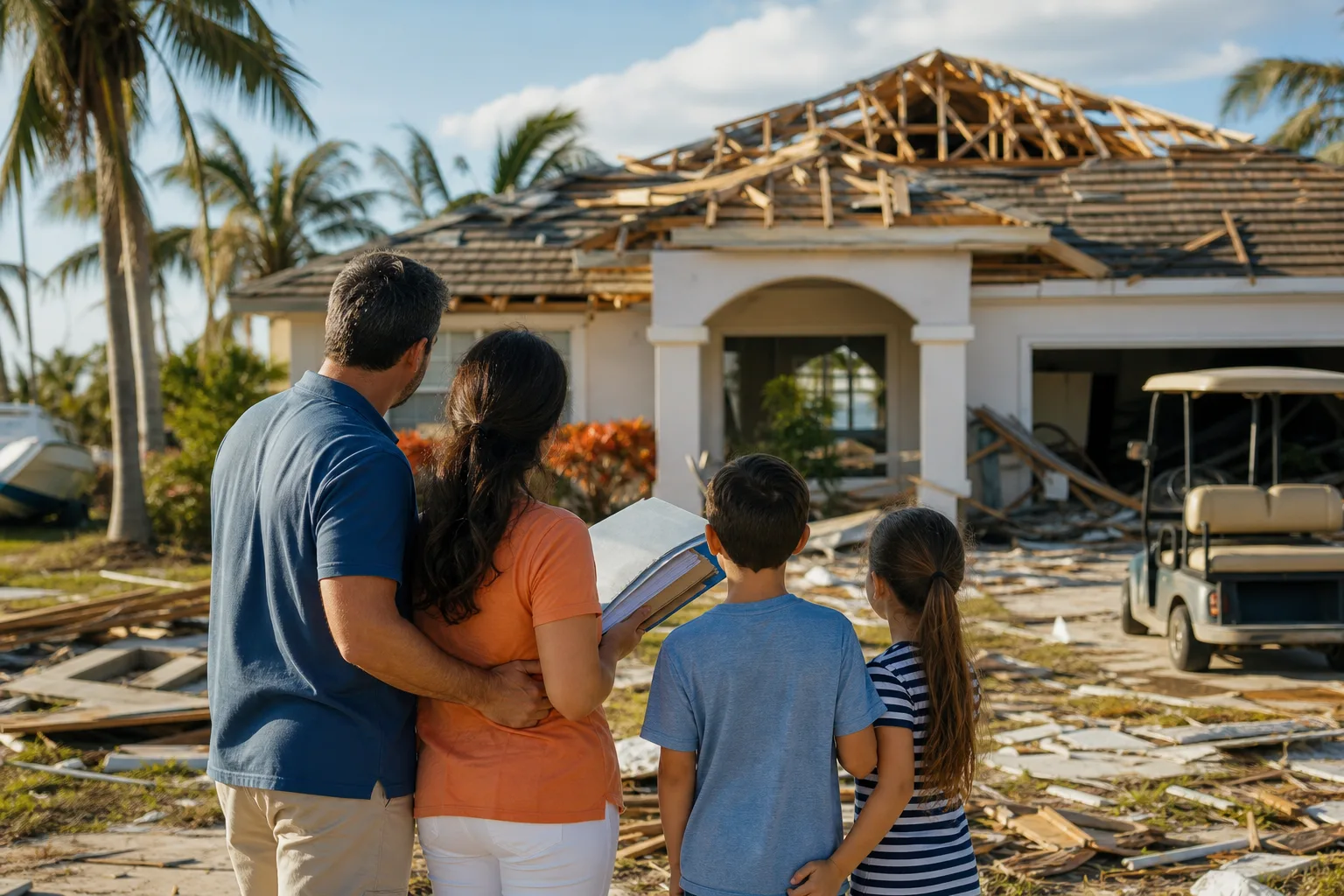
Step 2: Confirm your home is actually "uninhabitable"
Evacuating because a hurricane warning was issued does not automatically trigger Loss of Use. The home has to be genuinely unlivable, meaning things like:
- No safe access due to structural damage
- No power and no reasonable timeline for restoration tied to storm damage
- Contamination, mold, or unsafe conditions caused by the covered loss
- A civil authority mandatory evacuation order tied directly to damage risk in your area (some policies include limited coverage here, so check your specific wording)
If you evacuated as a precaution and your home was fine, that's a personal expense, not a covered one. If an adjuster confirms structural or water damage from a covered peril, that's when the clock starts on Loss of Use benefits.
Step 3: Know your limit and how it's calculated
Loss of Use is usually a percentage of your dwelling coverage, commonly somewhere in the 20 to 30 percent range, though this varies by carrier and policy, so never assume a number without checking your declarations page. Some policies pay actual increase in living expenses up to that limit, others pay for a set time period. A few also cap the number of months, regardless of the dollar limit.
This is one of the most overlooked numbers in a policy. If your dwelling coverage is too low to begin with, your Loss of Use cushion shrinks right along with it. It's worth reviewing this every year with your agent, especially if you've done renovations or your rebuild costs have gone up.
Paying too much for Florida homeowners insurance? Get a free home quote
Step 4: Document everything from day one
Once you're displaced, start a simple log:
- Date you left the home and why
- Hotel or rental confirmation and nightly rate
- Extra costs beyond your normal life: restaurant meals if your kitchen is gone, laundromat visits, pet boarding, extra mileage to work or school
- Photos of the damage that made the home unlivable
- Any written notice from a building official or adjuster confirming the home isn't safe to occupy
Insurers generally reimburse the increase in your normal expenses, not your entire cost of living. If you'd normally spend $40 a night on groceries and now you're spending $70 eating out, that $30 difference is what gets submitted, not the full $70.
Step 5: File the claim correctly and promptly
Call your carrier or your agent as soon as it's safe to do so. Florida has specific claim-handling deadlines insurers must follow, and the Florida Office of Insurance Regulation outlines consumer rights and claim timelines that can help you if a claim stalls floir.com. Have your policy number, a description of the damage, and your temporary contact information ready.
Ask directly: "Does my Loss of Use coverage apply here, and what's my per-month or total limit?" Get the answer in writing or note the date, time, and name of whoever you spoke with. If you're displaced for an extended period, submit receipts in batches rather than waiting until you're back home, since some carriers offer partial advances.
Step 6: Track your return-home eligibility
Loss of Use benefits end when your home is repaired and habitable again, or when your policy limit or time limit is reached, whichever comes first. Stay in contact with your adjuster about repair timelines. If contractor delays push your return date out, ask your carrier whether an extension is possible under your specific policy language. Some do allow it if delays are outside your control, such as backlogged demand after a major regional storm.
Common mistakes
Assuming evacuation alone triggers coverage. Voluntary or precautionary evacuation without actual covered damage usually isn't reimbursed.
Mixing up wind and flood. Many Palm Beach County homes near canals or the coast face real flood risk that a standard homeowners policy simply doesn't cover. If you're unsure which peril caused your damage, ask your adjuster to specify it in writing.
Not knowing the dollar or time limit until they've hit it. Families sometimes discover mid-claim that their Loss of Use cap is lower than their actual hotel costs, especially in high-demand post-storm markets when hotel prices spike.
Losing receipts. Verbal estimates of what you spent rarely hold up as well as itemized documentation.
Waiting to update coverage. If you renovated, added square footage, or your rebuild costs have risen, your Loss of Use limit (tied to dwelling coverage) may be outdated. This is worth revisiting well before June 1 each year, not during an active storm watch.
Forgetting renters and condo owners have their own version. If you rent, renters insurance often includes its own Loss of Use provision, separate from your landlord's policy, and it's worth confirming the limit there too.
Bottom line
Loss of Use coverage can be a real financial lifeline after a hurricane, but only when you understand what triggers it, what it actually pays for, and where its limits sit. The best time to learn these details is during a calm, sunny week in May, not while you're standing in a hotel lobby in September. If it's been a while since you reviewed your dwelling limits, flood coverage, or Loss of Use percentage, reach out to B & B Insurance Agency and we'll walk through your policy line by line, so you know exactly what's covered before the next storm ever gets a name.
Paying too much for Florida homeowners insurance?
B & B Insurance shops multiple carriers to find you the right coverage at the right price, and we know Florida wind and flood rules cold.
Frequently asked questions
Does Loss of Use cover a hotel if I evacuate before the storm even hits?
Generally no. Loss of Use applies when your home is actually made uninhabitable by a covered peril, not simply because a hurricane warning or evacuation order was issued as a precaution. Some policies include limited civil authority coverage, so it's worth checking your specific wording.
Is Loss of Use the same under flood insurance and homeowners insurance?
No. Homeowners policies typically cover wind-related damage and may include Loss of Use for that damage, while flood damage is handled under a separate flood policy. Importantly, the standard NFIP flood policy does not include Loss of Use or Additional Living Expenses coverage at all. Only certain private flood policies may offer it, so check your specific flood policy if you rely on this benefit.
How long does Loss of Use coverage last?
It lasts until your home is repaired and habitable, or until you reach your policy's dollar limit or time limit, whichever happens first. If repairs are delayed for reasons outside your control, ask your carrier whether an extension applies under your policy.
What expenses actually qualify under Loss of Use?
Typically the increase in your normal living costs, such as hotel stays, extra meals, laundry, and sometimes pet boarding. Insurers usually reimburse the difference between your normal expenses and your temporary increased costs, not your full cost of living.
Do renters get Loss of Use coverage too?
Yes, most renters insurance policies include a version of Loss of Use for the tenant's own displacement costs, separate from whatever coverage the landlord's policy provides for the building itself.
How can I find out my exact Loss of Use limit?
Check your homeowners or flood declarations page, where it's often listed as Coverage D or as a percentage of your dwelling coverage. If you're unsure how to read it, an independent agent can walk through the numbers with you before hurricane season starts.
Have a question about this topic?
Our experienced agents are happy to help — no pressure, just straight answers.