

Related coverage: Homeowners Insurance
TL;DR: A personal umbrella policy sits on top of your auto, home, and boat liability and can pay after those limits are used up. It can also drop down in some situations where your base policy has a gap, depending on the policy wording. The four scenarios below are hypotheticals, not real claims, so use them to spot where your own limits are thin.
Why umbrella coverage is worth a look
Most Florida households carry liability limits that were picked years ago and never revisited. A serious accident, a dog bite, or an injury at a backyard party can produce a judgment bigger than those limits. When that happens, the gap comes out of your savings, and in some cases other property or income, subject to Florida's creditor-exemption laws.
An umbrella is simple in concept. It is extra liability coverage, usually sold in increments of $1 million, that applies after the underlying policy pays its limit. It is not a replacement for auto or homeowners coverage. Think of it as the layer that protects what you have built.
Every example below is a hypothetical, written to show how the coverage works. Actual claims depend on your policy language, the facts, and the carrier's investigation. Umbrella terms vary, so read yours or ask an agent to walk you through it.
1. A multi-vehicle crash where injuries exceed your auto limits
The risk it prevents: a lawsuit judgment larger than your auto liability limit.
Say you rear-end a car on I-95 near Lantana and the crash injures two people in the other vehicle. Your auto policy carries $100,000 per person and $300,000 per accident. Medical bills, lost income, and pain and suffering claims for two injured people can run past those numbers.
When the auto policy pays its limit, the injured parties' attorneys can pursue the remainder from you personally. A properly structured umbrella policy responds next, covering the legal liability above your auto limit up to the umbrella limit. It generally also contributes to defense costs, depending on the policy.
The key detail is that umbrella carriers typically require you to keep minimum underlying limits on your auto policy, often $250,000 per person and $500,000 per accident or similar. Drop below that requirement and you are responsible for the difference between what you carry and what the umbrella expects. Review your auto insurance limits and the umbrella's underlying requirements together.
2. A guest injury at your home that outruns the homeowners liability limit
The risk it prevents: a premises liability judgment that exceeds your personal liability coverage.
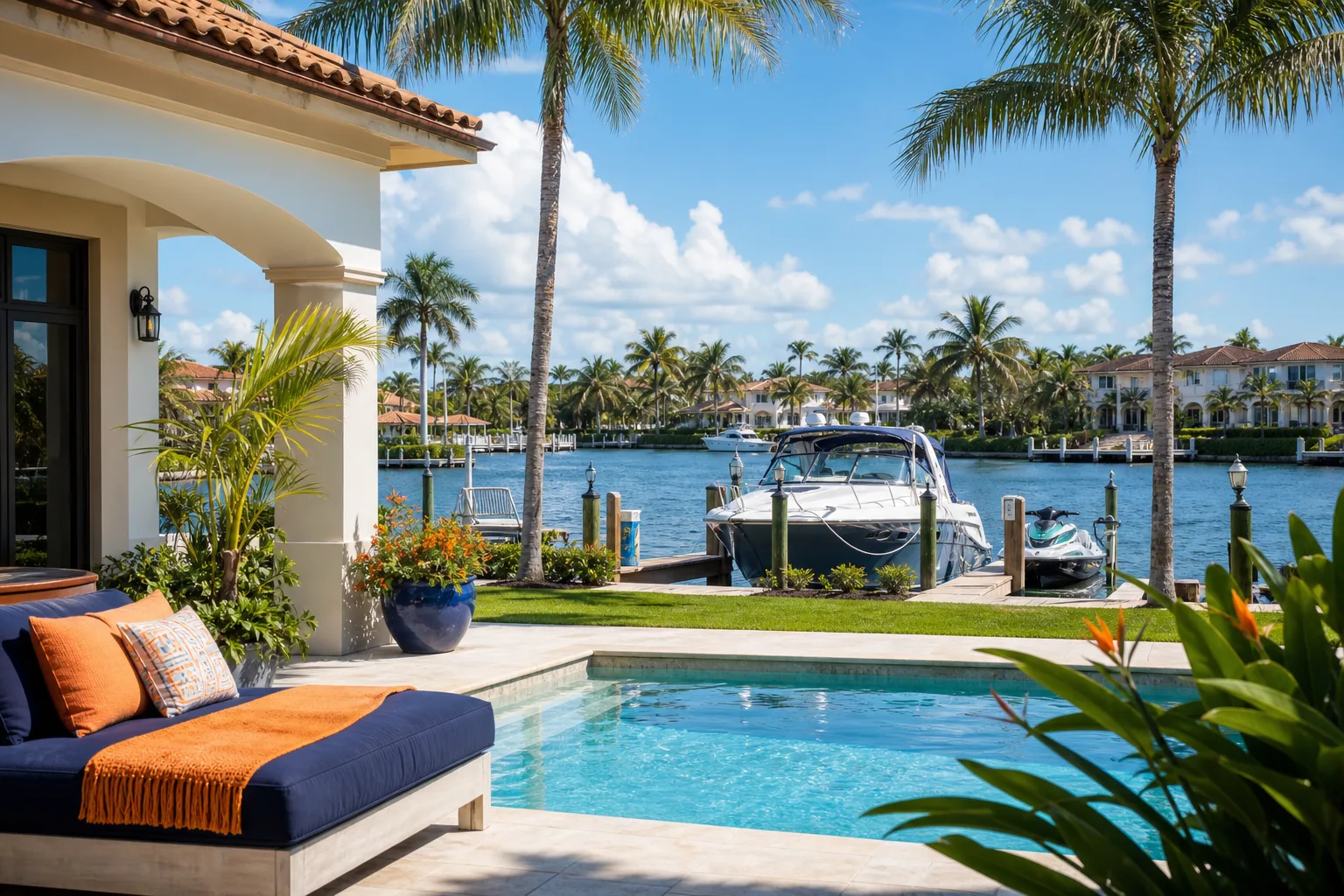
Homeowners policies include personal liability coverage, commonly in the $100,000 to $500,000 range. Picture a guest who falls from a raised deck or steps into a pool area at a gathering and suffers a serious spinal injury. Long-term care, surgeries, and lost earning capacity can pile up fast.
Your homeowners policy pays up to its liability limit. If the claim exceeds it, the umbrella can respond for the excess, again subject to its terms and exclusions. Pools, trampolines, and similar attractions are frequent sources of large claims, and some carriers ask about them on the application.
Florida households with pools, docks, or rental units should pay particular attention here. See our overview of homeowners insurance for how the base liability coverage fits in, and keep in mind that umbrella coverage will not respond to damage to your own home. It is liability only.
Want a second look at your Florida homeowners coverage? Get a free home quote
3. A boating accident or a dog bite on top of your base policy
The risk it prevents: large liability claims from activities that carry above-average injury risk.
Florida life involves water and pets. Two hypotheticals fit here:
- Boat: A guest is injured when your boat strikes a wake or another vessel. Boat liability limits vary widely, and some boat policies exclude certain uses. An umbrella may extend over the boat's liability, but carriers often require the boat policy as an underlying policy and may restrict boat size or horsepower. Check this before you assume you are covered. Our boat insurance page covers the base coverage.
- Dog bite: A neighbor's child is bitten and needs reconstructive surgery. Some homeowners carriers exclude certain breeds or cap dog liability. Umbrella carriers have their own rules on dog bites and can also exclude specific breeds. If the base policy pays its limit, the umbrella may cover the rest, but only if the animal is not excluded. Read dog bite liability insurance to see how this coverage is structured.
The lesson in both cases: an umbrella does not erase exclusions. If something is excluded on the underlying policy, ask directly whether the umbrella follows or overrides that exclusion.
4. A claim your underlying policy was never designed to cover
The risk it prevents: a gap between what your base policy covers and what a plaintiff alleges.
Some umbrella policies are written to cover certain personal liability exposures that a standard auto or homeowners policy does not address, such as certain claims of libel, slander, or invasion of privacy, depending on the form. Suppose someone claims you defamed them in a post that went viral. A typical homeowners policy may not respond the way you would hope, while some umbrella forms include broader personal injury coverage.
This is the least predictable of the four scenarios because it varies the most by carrier and policy form. Ask to see the definitions and exclusions, not just the limit. Intentional acts, business activities, and professional services are commonly excluded from personal umbrellas, so a business owner should not assume a personal umbrella covers work-related claims. Business exposures belong under general liability or a commercial umbrella.
How to decide whether you need one
Work through these steps in order:
- List what a plaintiff could reach. Savings, investments, non-homestead property, and in some cases other assets or income count. Florida's homestead and wage protections have limits and exceptions, so ask an attorney how they apply to you. The more you have exposed, the more a judgment can take.
- Check your current limits. Pull your auto, home, and boat declarations pages and note the liability numbers.
- Ask the underlying-limit question. Find out what limits the umbrella carrier requires on each base policy, and whether raising them is needed first.
- Flag high-risk factors. Pools, teen drivers, boats, dogs, rental property, and frequent hosting all raise exposure.
- Read the exclusions. Confirm how the umbrella treats watercraft, animals, business use, and personal injury claims.
An umbrella is optional, and some households with modest assets and lower-risk lifestyles may decide the base limits are enough. If you are unsure, an independent agent can compare coverage and pricing from multiple carriers and explain how the forms differ. You can also learn more about how an umbrella pairs with your other policies on our insurance carriers page.
For a general explanation of how umbrella liability works, the Insurance Information Institute has a plain-English overview, and the Florida Office of Insurance Regulation provides consumer resources on policy rights and carrier licensing.
Bottom line
An umbrella policy can respond when a serious claim exceeds your auto, home, or boat liability limit, and sometimes when a base policy leaves a gap. It does not pay for your own property damage, it does not override exclusions, and it requires you to maintain underlying limits. The four scenarios here are hypotheticals meant to show where the coverage applies, so measure them against your own situation.
If you want to see how an umbrella could sit on top of your current policies, contact B & B Insurance Agency and we will walk through your limits with you.
Want a second look at your Florida homeowners coverage?
B & B Insurance compares coverage and pricing from multiple carriers, and we know Florida wind and flood rules cold.
Frequently asked questions
Does a Florida umbrella policy cover my own property damage?
No. An umbrella is liability coverage only, so it helps pay for injuries or damage you are legally responsible for causing to others. Damage to your own home, car, or boat falls under those individual policies.
How much umbrella coverage should I carry?
There is no single right number. A common approach is to match the limit to your total assets and future earning exposure, then adjust for risk factors like a pool, teen drivers, or a boat. An agent can help you compare options from multiple carriers.
Do I have to change my auto and home limits to buy an umbrella?
Often, yes. Umbrella carriers typically require minimum underlying liability limits on your auto and homeowners policies, so you may need to raise those first. Ask for the specific requirements before you buy.
This article is general information, not legal or financial advice. Coverage depends on the terms, conditions, and exclusions of your specific policy, so talk with a licensed insurance agent about your situation.
Related Coverage from B & B
Have a question about this topic?
Our experienced agents are happy to help — no pressure, just straight answers.


