TL;DR: A Business Owners Policy, often called a BOP, usually combines business property insurance with general liability coverage and may include business income protection after certain covered losses. It can be an efficient foundation for many small Palm Beach County businesses, but it commonly does not cover employee injuries, company vehicles, professional mistakes, flood damage, or every type of cyber loss.
The right question is not, “Do I have a BOP?” It is, “Which loss could put my business in a financial hole, and does my policy actually address it?” A local contractor, storefront, office, or service business may need a BOP plus separate coverage for the risks it creates.
At a glance: BOP versus separate business coverage
| Coverage need | Often included in a BOP | Usually needs separate coverage | Example of the risk |
|---|---|---|---|
| Damage to your business contents or building | Usually, subject to policy terms | Sometimes, depending on property type and limits | A fire damages shop inventory and tools |
| Customer injury or property damage claim | Usually through general liability | Higher limits or specialized liability may be needed | A customer slips in your lobby |
| Income lost after a covered property loss | Often included or available | Must be reviewed for limits and waiting periods | A fire closes a retail store for repairs |
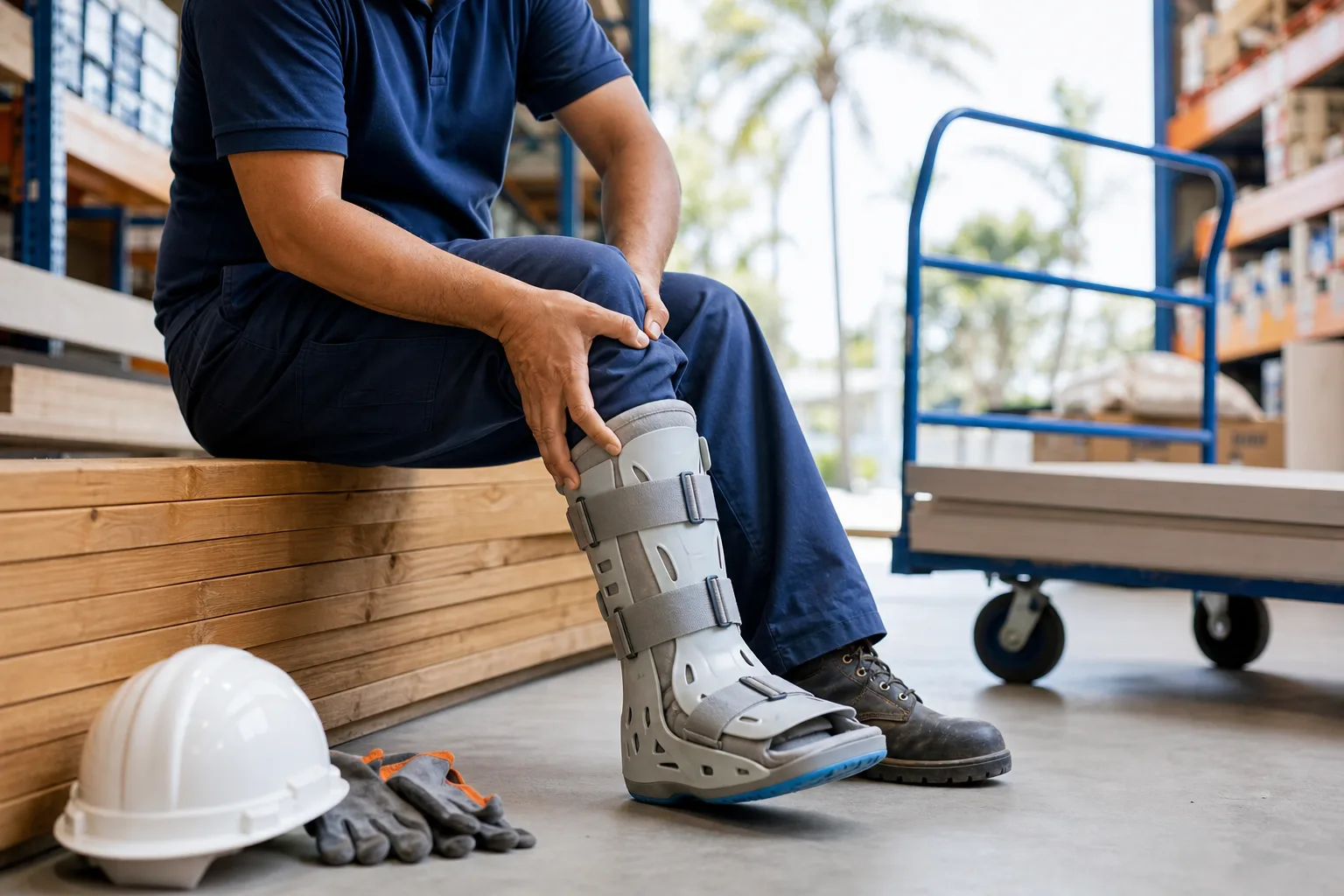
| Employee work injuries | No | Workers' compensation | A helper falls while unloading materials |
| Business-owned or business-used vehicles | No | Commercial auto | A work van rear-ends another vehicle |
| Advice, design, or service mistakes | Usually no | Professional liability | A consultant's error causes a client financial loss |
| Flood damage | No | Flood insurance | Heavy rain pushes water into a ground-floor office |
| Intentional acts, poor workmanship, or known problems | No | Not generally insurable in the same way | A contractor knowingly uses defective materials |
A BOP is a package policy, not a promise that every loss is covered. Exact forms, limits, exclusions, deductibles, endorsements, and eligibility rules differ by carrier and business. Before relying on any policy, read the actual coverage form and declarations page.
What a Business Owners Policy usually covers
A BOP is designed for many smaller, lower-risk businesses. It commonly brings together two important protection buckets: property coverage for business-owned physical items and general liability coverage for certain claims from other people.
That combination can make sense for a Lantana salon, Lake Worth Beach retail shop, West Palm Beach office, small restaurant, contractor office, or similar operation. But “usually” matters. A carrier may restrict eligibility based on business type, revenue, payroll, building construction, prior claims, or the work you perform.
1. Business property coverage: protecting the things you use to earn a living
Business property coverage generally responds when covered causes of loss damage insured business property. Depending on how the policy is written, this may include:
- Your owned building, if it is listed and insured.
- Tenant improvements, such as built-in shelving, flooring, counters, or fixtures you installed in leased space.
- Furniture, computers, inventory, tools, equipment, and supplies.
- Property of others in your care, in some circumstances and with stated limits.
Picture a small print shop near West Palm Beach. A fire damages printers, paper stock, desks, and the electrical system. Property coverage may help pay to repair or replace covered items, after the deductible, if the fire is a covered cause of loss and the policy limits are adequate.
The tradeoff is that property coverage is not unlimited. Your policy may value property based on actual cash value, which accounts for depreciation, or replacement cost, which generally does not subtract depreciation when its requirements are met. The difference can be substantial for older equipment. A five-year-old computer system may not produce the same payment under actual cash value as it would under replacement cost.
Limits matter just as much as the coverage label. If a contractor has $75,000 in tools, equipment, and materials but only carries a $25,000 business personal property limit, a covered theft or fire could still leave a large out-of-pocket shortage. Seasonal inventory, newly purchased equipment, and improvements to a rented space are common areas people forget to update.
2. General liability: protecting against certain third-party claims
General liability is the other main BOP component. It is designed to help with certain claims alleging bodily injury, property damage, personal and advertising injury, or related legal defense costs, subject to the policy language.
For example, a customer enters a Palm Beach County boutique during a rainstorm, slips on a wet entryway, and alleges the store failed to maintain the floor safely. General liability may respond to a covered claim, including defense costs, even when the business disputes fault. It does not mean every lawsuit is covered or every allegation is true. It means the policy may provide a defense and payment within its terms.
Another common scenario involves accidental property damage. A cleaning company employee knocks over an expensive sculpture while working in a client's office. If the claim falls within the policy's coverage, general liability may help address the resulting damage.
A BOP may be a practical way to obtain core general liability coverage alongside property insurance. Still, owners should check the per-occurrence limit, aggregate limit, products-completed operations limit where applicable, and any endorsements that narrow coverage for their line of work.
This is especially important for contractors. A claim arising from work completed months ago may be handled differently than an accident at a jobsite today. Roofing, plumbing, electrical, restoration, excavation, and other trades can have carrier-specific restrictions. Do not assume a basic package built for an office will fit a higher-hazard trade.
3. Business income and extra expense: protecting cash flow after certain damage
A covered property loss does more than damage furniture or stock. It can stop revenue. Business income coverage, sometimes called business interruption coverage, may help replace lost income and pay certain continuing expenses while operations are suspended due to direct physical loss or damage from a covered cause of loss.
Say a small Lantana bakery has a kitchen fire. The store cannot operate while repairs are underway and equipment is replaced. If the loss is covered, business income coverage may help with lost income and eligible ongoing costs, such as rent or payroll obligations, during the applicable restoration period.
Extra expense coverage can help with reasonable added costs to reduce or avoid a shutdown. The bakery might rent temporary equipment or move limited operations to another approved location. Whether those expenses are covered depends on the policy's wording and limits.
The important tradeoff is the trigger. Business income coverage generally depends on a covered property loss. If business falls because road construction blocks access, a major customer leaves, utilities fail outside the policy terms, or a virus reduces demand, a standard BOP may not respond. Coverage extensions can vary, so business owners should ask exactly what event must happen before income protection begins.
What a BOP commonly does not cover
A BOP can be valuable, but it has clear boundaries. These are not minor technicalities. They are some of the biggest financial exposures a small business faces.
1. Employee injuries and occupational illness
A BOP generally does not replace workers' compensation insurance. If an employee gets hurt while working, workers' compensation is the policy designed to address eligible medical care and wage benefits under applicable law, while also providing employers certain protections related to workplace injury claims.
For example, a landscaping employee injures a shoulder lifting sod or a restaurant server burns a hand handling hot cookware. Those are employee work injury exposures, not typical BOP claims. Florida businesses should discuss their staffing situation and legal requirements with a qualified insurance professional. The Florida Division of Workers' Compensation provides official information on employer responsibilities and exemptions at myfloridacfo.com.
A business that uses subcontractors should not stop at collecting a certificate of insurance. Verify the subcontractor's coverage, review contract requirements, and understand whether the arrangement could create exposure for your business. Workers' compensation coverage is one of the first separate policies to review when people are on payroll or working under your direction.
2. Business vehicles and employees driving for work
A BOP generally does not cover liability from owning or operating a business vehicle. That includes vans, pickups, delivery vehicles, and often trailers or hired and non-owned vehicles unless specific coverage is added elsewhere.
Consider a painter whose employee drives a company pickup from Lantana to a job in Boynton Beach and causes a crash. The injured party's medical bills, vehicle damage, and lawsuit allegations can create a major loss. The answer is typically commercial auto insurance, not the business's BOP.
Even businesses without titled company vehicles should ask about employees using personal cars for errands, deliveries, bank deposits, or client visits. Personal auto policies may limit business use, and the employer can still face liability after a serious crash. The right approach depends on how vehicles are used, who drives, and what contracts require.
3. Flood and some water-related damage
A standard BOP usually excludes flood. In plain English, flood generally means water affecting normally dry land, often from rising water, storm surge, overflowing bodies of water, or similar conditions defined by the policy. South Florida businesses should not assume a commercial property policy handles every water event.
A pipe bursting inside an office may be treated differently from heavy rainfall accumulating outside and entering through doors. The source and movement of water matter. After a tropical system, the same building can have wind-driven rain, roof damage, sewer backup, and surface water. Each issue may be analyzed under different policy terms.
If your business is near the Intracoastal, a canal, a low-lying roadway, or any location that has seen drainage trouble, ask specifically about flood insurance. The National Flood Insurance Program also explains that standard property policies generally do not cover flood damage, though availability and policy details should be reviewed for each property at FloodSmart.gov.
4. Professional mistakes and financial loss from your services
General liability commonly addresses bodily injury and property damage. It generally does not cover a client's claim that your advice, plans, professional services, or failure to perform caused purely financial harm.
Here is the distinction. If an IT consultant accidentally drops and breaks a customer's laptop, that may create property damage. If the consultant configures a backup system incorrectly and the client loses business data, resulting in lost revenue, the dispute may involve professional services and financial loss instead.
Businesses that advise, design, manage, inspect, consult, prepare documents, or provide specialized services may need professional liability insurance. This is often called errors and omissions coverage. It is intended for allegations that your professional service made a mistake, missed something important, or failed to meet an expected standard.
Not every occupation needs the same form. A real estate professional, accountant, technology consultant, marketing agency, engineer, and contractor can have very different exposures. Tell your agent exactly what you do, not just the broad category of your business.
5. Cyber events and data compromise
Some BOPs offer limited cyber-related endorsements or incident expense coverage. Others offer little or none. Do not assume that a policy covering your laptop as business property also covers the cost of a data breach, ransomware demand, notification obligations, business interruption from a network outage, or a claim involving customer information.
A local medical office, retailer, property manager, or contractor may hold names, addresses, payment information, contracts, and employee records. If an employee clicks a fraudulent email and customer data is exposed, property and general liability coverage may not be enough.
Ask what cyber protection, if any, exists in the BOP. Then ask about its limit, deductible, covered events, response services, and exclusions. This is an area where a small sublimit can be very different from a purpose-built cyber policy.
6. Your own faulty work, intentional acts, and routine maintenance
Insurance is intended for sudden, accidental losses that meet policy conditions. It is not a maintenance plan or warranty for work that simply needs to be redone.
For a contractor, general liability may potentially address resulting damage to other property from faulty work, depending on the facts and policy language. But the cost to redo the contractor's own defective work is commonly restricted or excluded. If a tile installer uses the wrong adhesive and must remove and reinstall the tile, the labor and materials to correct the original work may not be covered just because a BOP includes general liability.
Intentional injury, criminal acts, known losses, normal wear and tear, deterioration, rust, corrosion, and neglect are also commonly outside standard coverage. These exclusions exist because insurance handles fortuitous events, meaning unexpected accidental losses, rather than predictable upkeep or deliberate conduct.
Protect the business you've built. Talk to our business team
BOP versus standalone policies: choosing based on the loss you cannot absorb
The best way to compare a BOP with standalone policies is to start with the loss that would hurt most.
-
Could a fire, theft, or vandalism shut down your operation? Review business property and income limits. A BOP may be the foundation.
-
Could a customer or visitor claim injury at your location or because of your work? Review general liability limits, additional insured requirements, and trade-specific exclusions.
-
Could an employee get injured on the job? Review workers' compensation requirements and your actual payroll and subcontractor setup.
-
Could a vehicle crash create a major claim? Review commercial auto, including drivers, vehicles, business use, and hired or non-owned auto exposure.
-
Could rainwater, storm surge, or surface water reach your location? Review separate flood protection rather than relying on the BOP.
-
Could a client claim your service cost them money? Review professional liability.
-
Do contracts require a bond? A surety bond is not the same as insurance. It is typically a guarantee to an obligee that you will meet a contractual or legal obligation, and the business may have to reimburse the surety if it pays a valid claim.
A West Palm Beach general contractor may need a BOP for office contents and general liability, commercial auto for vehicles, workers' compensation for employees, inland marine or equipment coverage for tools that move between jobsites, and a bond for a particular contract. A small accounting office may need a BOP, professional liability, cyber protection, and possibly workers' compensation. The business name on the door does not tell the full story. The work, property, contracts, employees, and vehicles do.
How to review a BOP before a claim happens
A short annual review can catch expensive gaps. Bring the declarations page, lease, contracts, payroll estimate, vehicle list, and an updated inventory of equipment or stock.
Ask these questions:
- Is the business description accurate, including every service we provide?
- Is the building limit or business personal property limit enough to rebuild or replace what we have now?
- Do we have replacement cost or actual cash value on key property?
- How long could we be closed after a fire or major covered loss, and is the business income limit adequate?
- Are there exclusions for our trade, subcontractors, completed work, or property off premises?
- Are certificates, additional insured endorsements, or waiver requirements in our contracts being met?
- Do we have separate protection for vehicles, employees, flood, professional errors, and cyber incidents?
For an independent review, B & B Insurance Agency can compare options across carriers and explain where a package policy ends and separate coverage begins. You can request a business insurance review with the details of your operation, property, contracts, and biggest concerns.
Verdict
A Business Owners Policy is often a sensible starting point for a small business because it can combine property coverage, general liability, and business income protection into one coordinated policy. It is most useful when you need protection from a covered fire, theft, customer injury allegation, accidental property damage claim, or covered shutdown that threatens your operating cash flow.
But a BOP does not replace separate coverage for applicable exposures such as workers' compensation, commercial auto, flood, professional liability, or cyber risks. Coverage details vary by policy, so review your specific needs, policy terms, limits, and exclusions with an agent. B & B Insurance Agency can help sort through those risks in plain English and shop appropriate options for your business.
Protect the business you've built.
General liability, commercial auto, workers' comp, bonds, and more, bundled and shopped across carriers for South Florida businesses.
Frequently asked questions
Does a Business Owners Policy include general liability insurance?
A BOP commonly includes general liability coverage along with business property coverage. The liability portion may help with certain covered claims involving bodily injury, property damage, and related defense costs, but limits and exclusions vary by policy and business type.
Does a BOP cover flood damage to my business?
Standard BOPs generally do not cover flood damage. A separate flood policy may be needed, especially for businesses exposed to storm surge, rising water, or surface water after heavy rain.
Does a Business Owners Policy cover employees who get hurt at work?
Generally, no. Employee work injuries are usually addressed through workers' compensation insurance, subject to Florida requirements, policy terms, and the worker's status.
Will a BOP cover my work truck or employees driving to jobs?
A BOP generally does not cover liability from operating business vehicles. Businesses that own vehicles or have employees driving for work should review commercial auto coverage and potential hired or non-owned auto exposure.
Does general liability in a BOP cover mistakes in professional services?
Usually not when the claim involves financial loss caused by advice, design, consulting, or another professional service. Professional liability insurance may be the more appropriate coverage for allegations of errors, omissions, or failure to perform professional duties.
Have a question about this topic?
Our experienced agents are happy to help — no pressure, just straight answers.