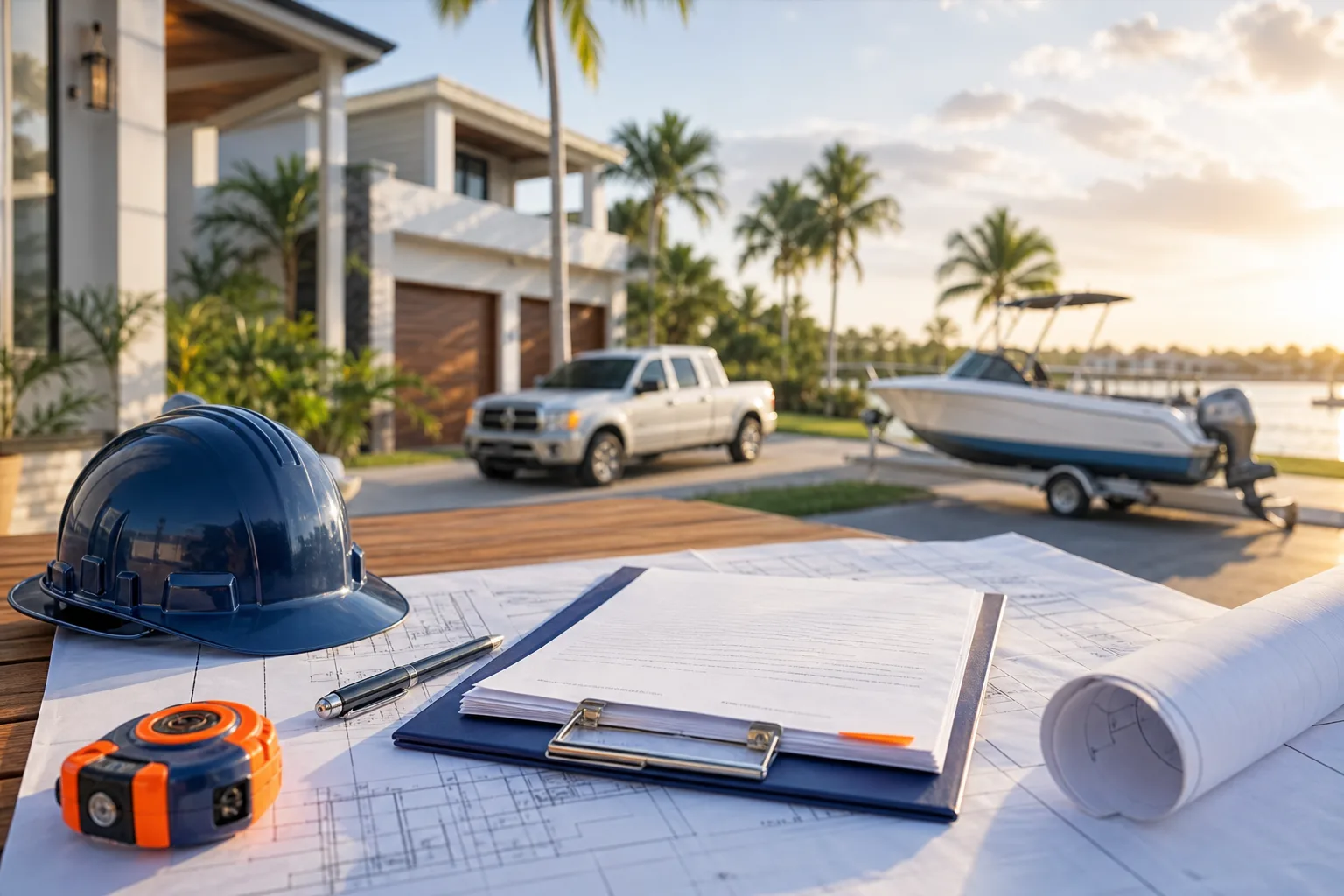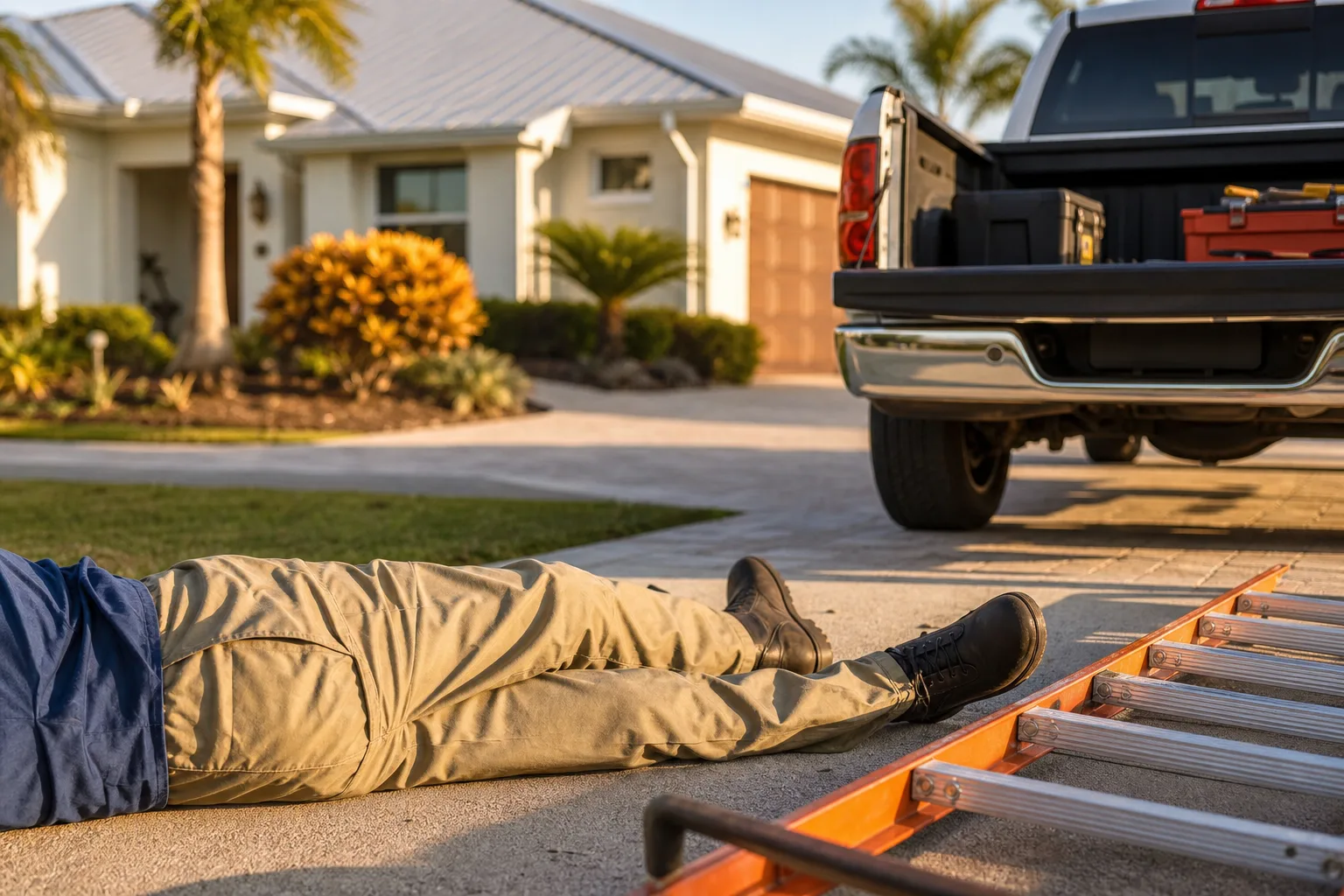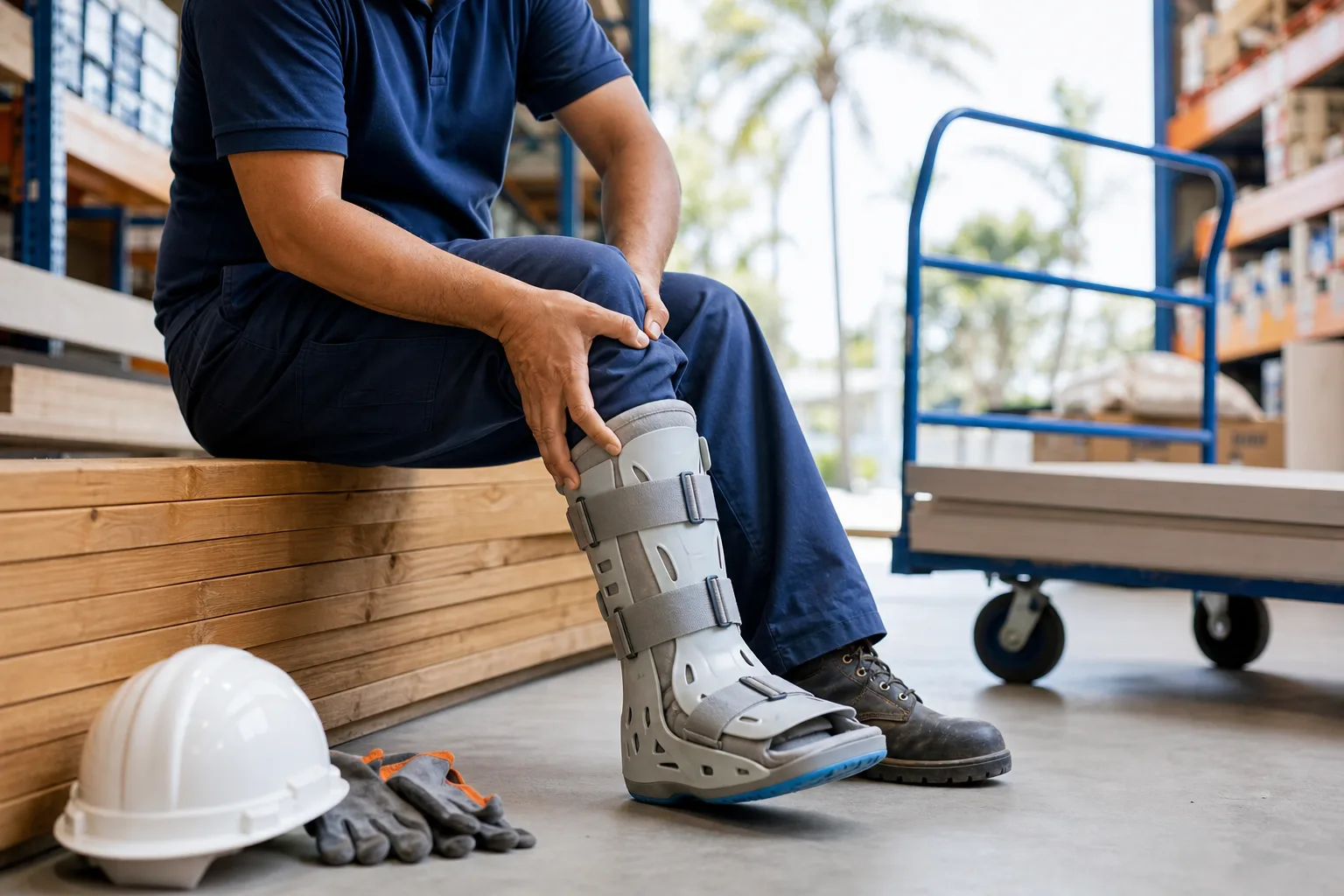
TL;DR: Florida contractors should verify general liability limits, workers' compensation status, commercial auto, surety bonds, and tools and equipment coverage before bidding any job. A gap in any one of these can cost you the contract, expose you to a lawsuit, or leave you eating a loss out of pocket.
Why this matters before the bid, not after
Most contractors think about insurance when something goes wrong. But many project owners, general contractors, and government agencies in Palm Beach County require proof of specific coverage types and limits before they'll even open your envelope. Getting your coverage right before you bid protects your license, your bid deposit, and your business.
Here's what I'd tell my own family member who runs a contracting business in South Florida.
1. General Liability: Check Your Limits and Your Exclusions
General liability insurance covers bodily injury or property damage you cause to someone else during the course of your work. Most Florida project owners require a minimum of $1 million per occurrence, and larger commercial jobs often require $2 million aggregate.
Before you bid, confirm:
- Your current per-occurrence and aggregate limits match what the contract requires.
- The policy covers the specific type of work you're bidding. Roofing, structural work, and demolition sometimes carry exclusions that standard policies don't cover.
- The certificate of insurance can name the project owner as an additional insured. Many contracts require this.
A coverage gap people forget: if you use subcontractors, check whether your policy covers their work. Some policies exclude damage caused by subs unless you have a specific endorsement.

2. Workers' Compensation: Confirm You're in Compliance for This Job
Florida law requires most employers in the construction industry to carry workers' compensation, even if you only have one employee. The Florida Division of Workers' Compensation enforces this strictly, and a stop-work order on a job site will cost you far more than the premium.
Before you bid:
- Verify your workers' comp policy is active and covers all employees and any leased workers on this job.
- If you're a sole proprietor who has elected to exempt yourself, confirm the exemption is current. Florida exemptions must be renewed every two years.
- If the project owner requires you to carry coverage for subs, make sure your policy addresses that or require each sub to provide their own certificate.
Protect the business you've built. Talk to our business team
3. Commercial Auto: Personal Policies Won't Cover Job-Site Vehicles
If you or your employees drive a truck, van, or any vehicle to a job site for work purposes, a personal auto policy almost certainly won't pay a claim that happens in the course of business. That's a coverage gap that surprises a lot of contractors.
Commercial auto insurance covers vehicles used for work, including owned, hired, and non-owned autos. Before you bid:
- Confirm your commercial auto policy covers all vehicles your crew might use, not just vehicles titled to the business.
- Check whether the policy includes hired and non-owned auto coverage for employees who drive personal vehicles to job sites.
- Verify the liability limits the project owner requires. Some public contracts specify minimums.
4. Surety Bonds: Know Which Type the Contract Requires
A surety bond is not insurance for you. It's a financial guarantee to the project owner that you'll complete the work and pay your subs and suppliers. Florida public construction projects over a certain dollar threshold require payment and performance bonds under Florida Statute 255.05.
Before you bid:
- Determine whether the contract requires a bid bond, a performance bond, a payment bond, or all three. These are different instruments.
- A bid bond guarantees you'll honor your bid price if selected. A performance bond guarantees completion. A payment bond guarantees your subs and suppliers get paid.
- Your bonding capacity depends on your financials and credit. If you haven't been bonded before, start that conversation early. B & B Insurance Agency can help you get bonded through the carriers we work with.
5. Tools, Equipment, and Inland Marine: Don't Assume the Job-Site Owner Covers Your Stuff
General liability does not cover your own tools and equipment. If a generator, compressor, or set of power tools is stolen from a job site or damaged in transit, that loss comes out of your pocket unless you have inland marine or tools and equipment coverage.
Before you bid:
- Inventory the equipment you'll bring to this specific job and confirm each item is listed or falls within your scheduled coverage.
- Check whether your policy covers equipment in transit and at temporary job sites, not just at your business address.
- Larger equipment like excavators or lifts may need to be scheduled separately with a stated value.
This coverage is sometimes called an inland marine or contractor's equipment floater. It's often affordable relative to the value it protects.
Bottom Line
Bidding a job without checking these five coverages is like quoting a price without reading the plans. A quick review before you submit protects your license, satisfies contract requirements, and makes sure a claim on this job doesn't wipe out the profit from three others.
If you're not sure whether your current policies cover a specific bid, that's exactly the kind of question an independent agent is useful for. At B & B Insurance Agency, we work with multiple carriers and can review what you have, identify gaps, and get certificates issued quickly. Reach out for a free review before your next bid goes in.
Protect the business you've built.
General liability, commercial auto, workers' comp, bonds, and more — bundled and shopped across carriers for South Florida businesses.
Frequently asked questions
Can I use my personal auto insurance when driving to a Florida job site?
Generally, no. Personal auto policies typically exclude coverage for accidents that occur while the vehicle is being used for business purposes. If you or your employees drive to job sites regularly, you need a commercial auto policy that explicitly covers work use.
How do I get a certificate of insurance naming a project owner as additional insured?
Contact your insurance agent and provide the project owner's full legal name and address. The agent requests the certificate from the carrier, and it can usually be issued within one business day. Some contracts specify the exact language that must appear on the certificate, so share those requirements with your agent upfront.
What happens if a subcontractor I hire isn't covered by workers' comp in Florida?
If an uninsured subcontractor is injured on your job site, you as the general or primary contractor may be held responsible for their medical costs and lost wages under Florida law. Requiring each sub to provide a current certificate of workers' compensation before they start work is the standard way to protect yourself.
Is a surety bond the same as liability insurance?
No. Liability insurance pays claims made against you by third parties for bodily injury or property damage. A surety bond is a financial guarantee to the project owner that you'll fulfill the contract terms. Both may be required on the same job, but they serve entirely different purposes.
This article is general information, not legal or financial advice. Coverage depends on the terms, conditions, and exclusions of your specific policy, so talk with a licensed insurance agent about your situation.
Have a question about this topic?
Our experienced agents are happy to help — no pressure, just straight answers.