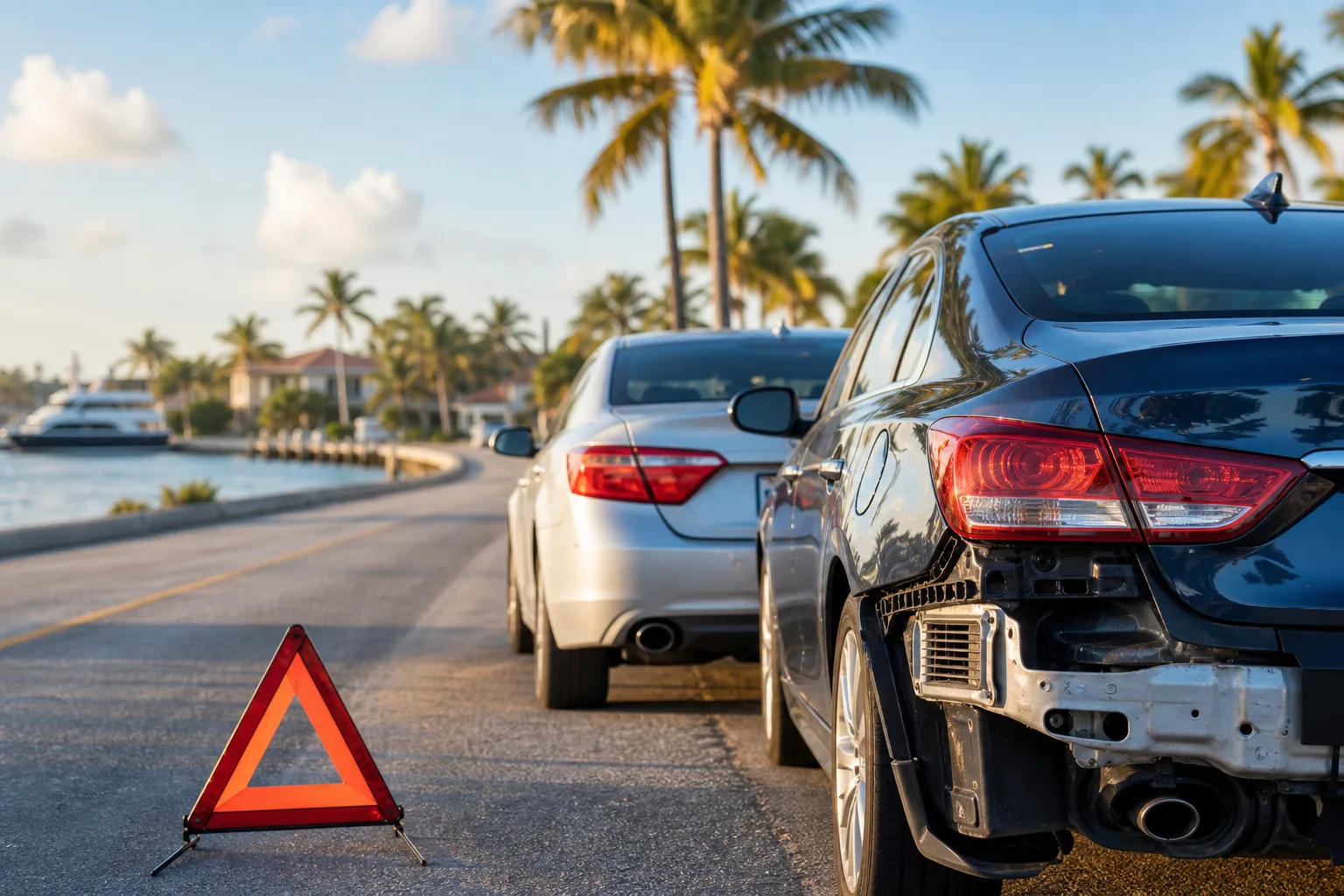

TL;DR: A clean driving record does not freeze your rate in Florida. Auto insurers price policies based on statewide and regional cost trends, not just your personal claims history, and several of those trends have been pushing premiums up for years. You still have real levers to pull, and the best one is shopping your policy before you auto-renew.
What happened
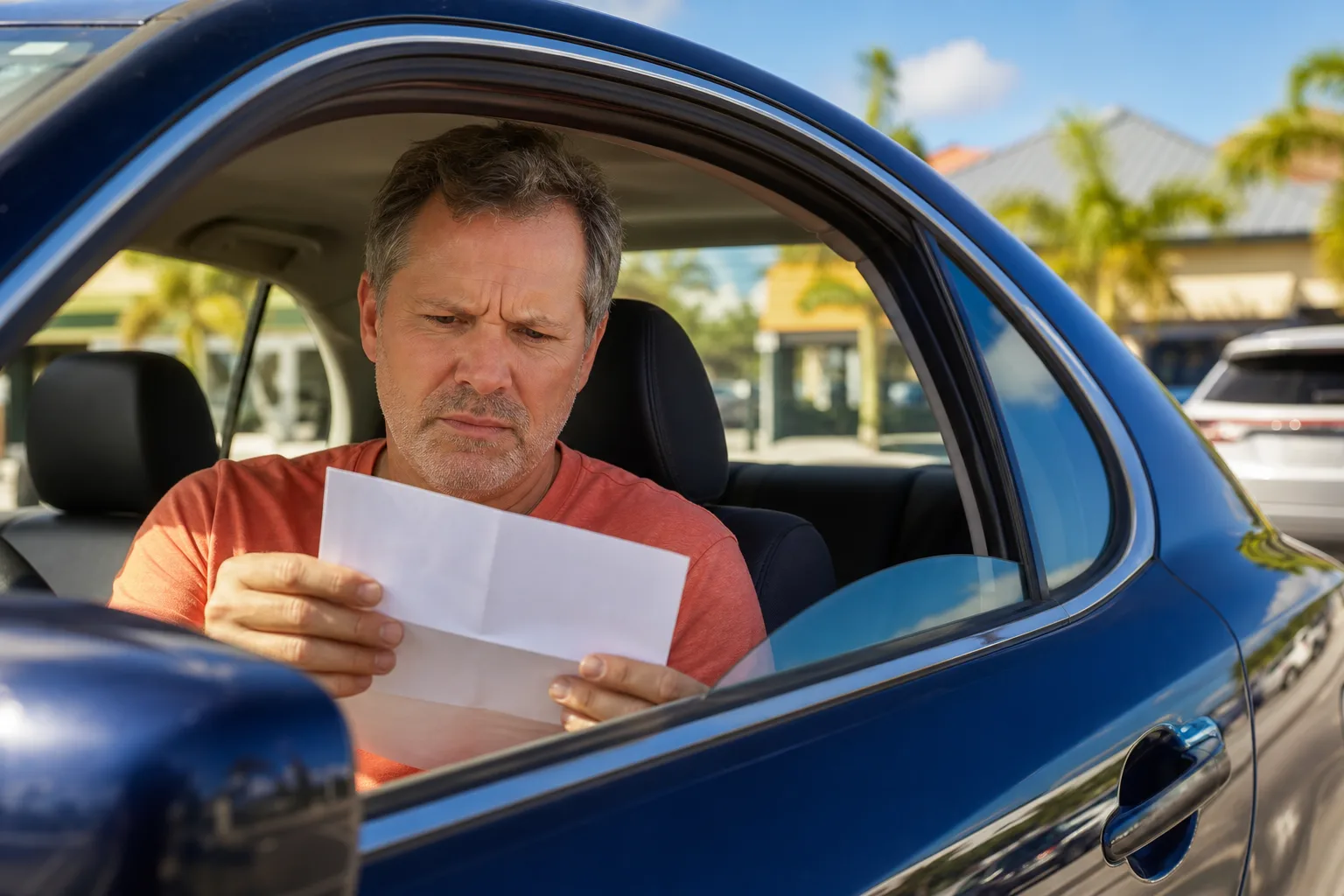
Florida drivers keep opening renewal notices that show a higher premium even though they didn't file a claim, didn't get a ticket, and didn't change their car or address. This isn't a billing error. It's how auto insurance pricing works in a state where the underlying cost of claims has been climbing faster than in most of the country.
Insurers set rates using a mix of your individual factors (driving record, vehicle, credit-based insurance score, mileage, coverage limits) and broad rating factors that apply to everyone in your rating territory. When those broad factors move, your premium moves with them, even if your personal risk profile hasn't changed at all.
In Florida specifically, several of those broad factors have been trending upward: the cost to repair and replace vehicles, the frequency of litigation tied to auto claims, reinsurance costs that insurers pass through after active storm seasons, and medical cost inflation tied to personal injury protection (PIP) claims. Florida is a no-fault state, which means every policy carries PIP coverage, and PIP claim costs have long been a documented driver of the state's relatively high auto premiums according to state insurance regulators.
Why it matters
When a rate increase lands on a clean-record policy, it feels arbitrary. It isn't, but understanding the mechanics matters because it changes how you should respond.
If your rate went up purely because of your own claims or a moving violation, the fix is usually time. Most surcharges fade off your record after a few years. But if the increase is driven by statewide trends, waiting doesn't help. Every carrier licensed in Florida is absorbing the same repair cost inflation, the same litigation environment, and the same reinsurance pressure after active hurricane seasons. That means the insurer you're with today may simply be repricing faster than a competitor who hasn't finished adjusting yet.
This is exactly why shopping your policy at renewal, not just when something goes wrong, has become a normal part of owning a car in Florida. Carriers don't all move their rates at the same time or by the same amount. One insurer's increase this renewal cycle can be another insurer's stable quarter. An independent agency that checks multiple carriers can often find daylight between them even when your driving record hasn't changed a bit.//n It also matters because bundling and coverage structure choices interact with these statewide trends. If you carry homeowners insurance or a flood policy with a different carrier than your auto, you may be missing multi-policy pricing that could offset part of a rate increase. If you added a teen driver, a golf cart used on public roads (which may need its own street legal golf cart insurance), or a motorcycle since your last renewal, your risk profile has technically changed even if you didn't think of it that way.
Let's see if you're overpaying for car insurance. Get a free auto quote
What we don't know yet
A few things are genuinely uncertain and worth being honest about rather than guessing.
We don't know exactly how much of your specific increase is tied to statewide claims trends versus your individual rating factors, because carriers don't break that out on the renewal notice. The notice shows the new premium, not the math behind it.
We don't know how the upcoming hurricane season will affect reinsurance costs and, by extension, auto and property pricing later in the year. Storm activity in one season can influence pricing decisions the following year across multiple lines, not just home and flood coverage.
We also don't know how any given carrier will respond to Florida's ongoing legal and regulatory changes affecting auto insurance litigation and claims costs. Some insurers may hold rates steady longer than others depending on their own loss experience and reinsurance renewals. That's precisely why comparing carriers at renewal, rather than assuming they're all moving in lockstep, is worth the ten minutes it takes.
What to do about it
Here's a practical checklist to run before you let your policy auto-renew.
60 to 45 days before renewal
- Pull your current policy declarations page and note your liability limits, deductibles, and any discounts currently applied.
- Check your driving record for anything you forgot about, an old ticket that should have dropped off, or a claim that's aging out of your rating period.
- List any life changes since last renewal: new driver in the household, new address, new vehicle, change in annual mileage, new golf cart or motorcycle.
45 to 20 days before renewal
- Request quotes from more than one carrier rather than accepting the auto-renewal. An independent agency can run your info across multiple insurers at once, which saves you from filling out the same form five times.
- Ask specifically whether raising your deductible, adjusting comprehensive and collision limits, or bundling with a homeowners or renters policy changes the total picture.
- If you have a boat, boat insurance or personal watercraft insurance bundled with the same carrier sometimes unlocks a better multi-line discount than keeping policies scattered across different companies.
Before you sign anything
- Compare apples to apples. A cheaper quote with lower liability limits isn't actually cheaper if it leaves you underinsured after a serious accident.
- Confirm PIP and uninsured motorist coverage levels match what you actually want, not just the state minimums.
- Ask your agent to explain any new surcharge or discount line item you don't recognize. You're entitled to a plain-English answer.
Ongoing, every renewal cycle
- Treat renewal like a recurring checkup, not a one-time event. Florida's auto insurance market has moved enough in recent years that a policy priced well two years ago may not be competitive today.
- If you're a South Florida homeowner juggling wind, flood, and auto renewals around the same time each year, ask your agency about aligning renewal dates so you can review everything together instead of piecemeal.
If your latest renewal notice left you scratching your head, B & B Insurance Agency has been shopping Florida's auto insurance market for South Florida drivers since 1998. We check multiple carriers side by side so you're not guessing whether your increase is fair or just the first offer that landed in your mailbox. Reach out through our contact page or explore auto insurance options built for Palm Beach County drivers in Lantana, West Palm Beach, and the surrounding communities we serve, including Wellington, Boynton Beach, and Lake Worth Beach.
For background on how no-fault auto insurance and PIP requirements shape Florida premiums, the Florida Office of Insurance Regulation publishes market data and consumer resources, and the National Association of Insurance Commissioners offers plain-English explainers on how auto rates are set nationally.
Let's see if you're overpaying for car insurance.
As an independent agency we compare rates across carriers so you don't have to. Free quotes, local service since 1998.
Frequently asked questions
Can my Florida auto insurance rate go up with a completely clean driving record?
Yes. Insurers price policies using statewide and regional cost trends, including repair costs, litigation frequency, and reinsurance costs, in addition to your personal driving history. A clean record can still see an increase if the broader cost environment for auto claims in Florida has risen.
Why does Florida have higher auto insurance rates than many other states?
Florida is a no-fault state requiring personal injury protection (PIP) on every policy, and PIP claim costs, along with litigation trends and catastrophe exposure, have historically pushed Florida auto premiums above the national average according to state regulators.
Does shopping around at renewal actually help if every carrier is raising rates?
Often yes, because carriers don't all reprice at the same time or by the same amount. One insurer may still be absorbing last year's costs while another has already adjusted, so comparing multiple carriers at renewal can reveal real savings even in a rising market.
Will raising my deductible lower my renewal premium significantly?
It can help, but the impact varies by carrier and coverage type. It's worth asking your agent to run the numbers on a higher comprehensive and collision deductible specifically, rather than assuming a fixed percentage savings.
Does bundling auto with homeowners or flood insurance offset a rate increase?
Many carriers offer multi-policy discounts when you combine auto with homeowners, renters, or flood coverage under the same company, which can partially or fully offset a standalone rate increase. Ask your agency to compare bundled versus separate pricing before you renew.
How often should I compare Florida auto insurance quotes?
Given how much Florida's auto insurance market has shifted in recent years, reviewing your policy at every renewal, roughly once a year, is a reasonable habit rather than only shopping after a big premium jump.
Have a question about this topic?
Our experienced agents are happy to help — no pressure, just straight answers.